PARGAR STUDIO

Projects

Zaman Restaurant

رستوران زمان

  • Type: Hospitality, Renovation, Public, Interior Design
  • Status: Completed
  • Scale: Small
  • Date: 2024
  • Location: Zafaraniyeh, Tehran
  • Lead Architects: Behzad Heidari, Shirin Samadian
  • Chief Designer: Milad Hasanzade
  • Design Team: Shima Khoshpasand, Maede Moallemi, Hediye Maleki, Aysan Mahmoudi
  • Presentation Architect: Alireza Nejadfallah, Sepideh Shirzadi, Farnaz Ejlali, Rezvan Mohtadi
  • Photographer : Parham Taghioff
  • Construction: Alumgostar
  • Structure: Alumgostar
  • Mechanical Consultant: Alumgostar
  • Electrical Cosultant: Alumgostar
  • Gross Floor Area: 890m²
More
  • نوع: رفاهی, بازسازی, عمومی, طراحی داخلی
  • وضعیت: پایان یافته
  • اندازه: کوچک
  • تاریخ: 1403
  • محل اجرا: تهران، زعفرانیه
  • معماران ارشد: بهزاد حیدری، شیرین صمدیان
  • مدیر طراحی: میلاد حسن‌زاده
  • تیم طراحی: شیما خوش‌پسند، مائده معلمی، هدیه ملکی، آیسان محمودی
  • معمار ارائه: علیرضا نژادفلاح، سپیده شیرزادی، فرناز اجلالی، رضوان مهتدی
  • عکاس: پرهام تقی‌اف
  • اجرا: آلوم گستر
  • سازه: آلوم گستر
  • تاسیسات مکانیکی: آلوم گستر
  • تاسیسات الکتریکی: آلوم گستر
  • زیربنا: 890 مترمربع
بیشتر

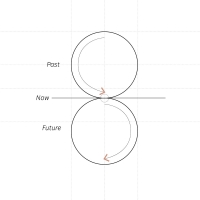
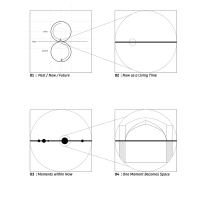
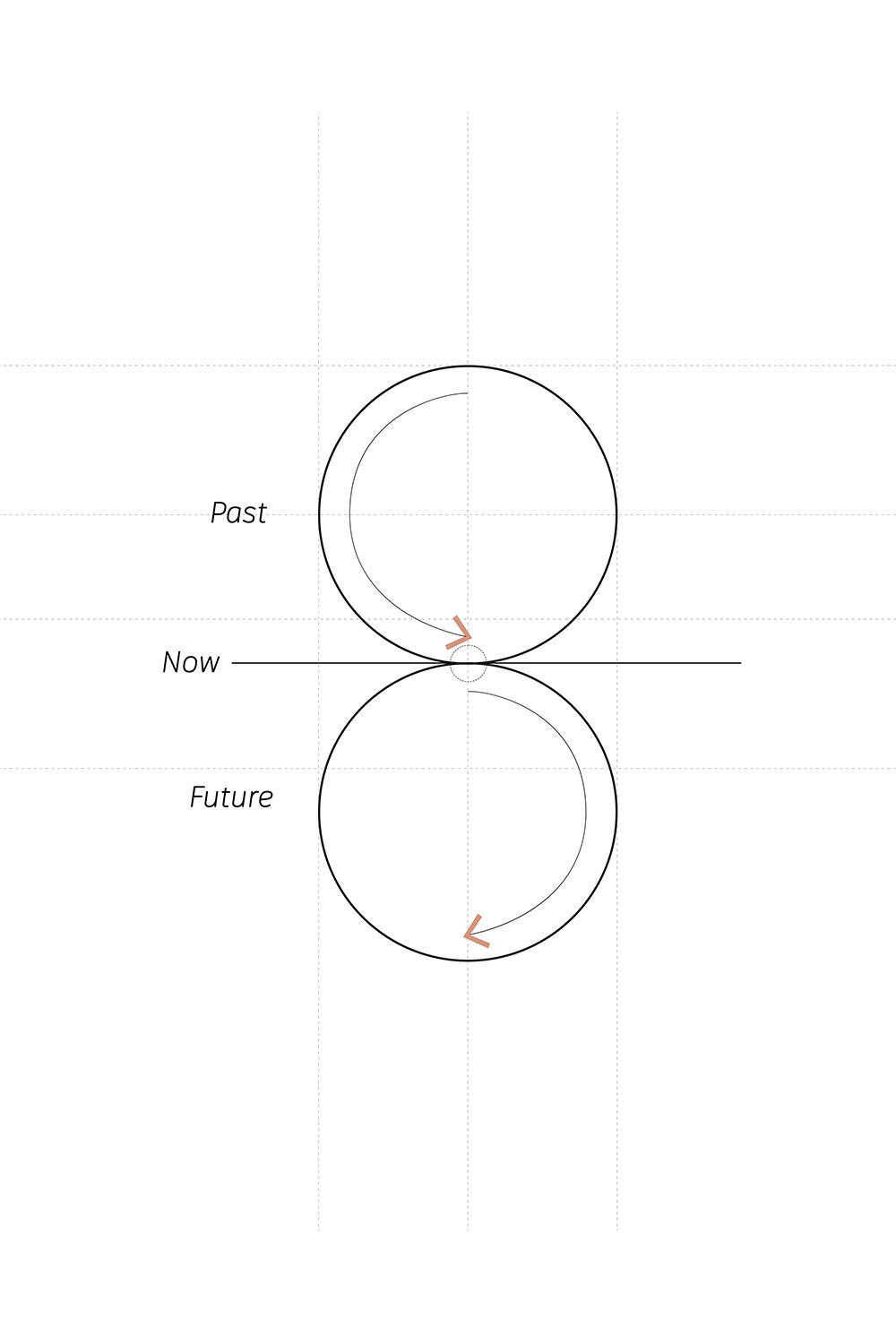
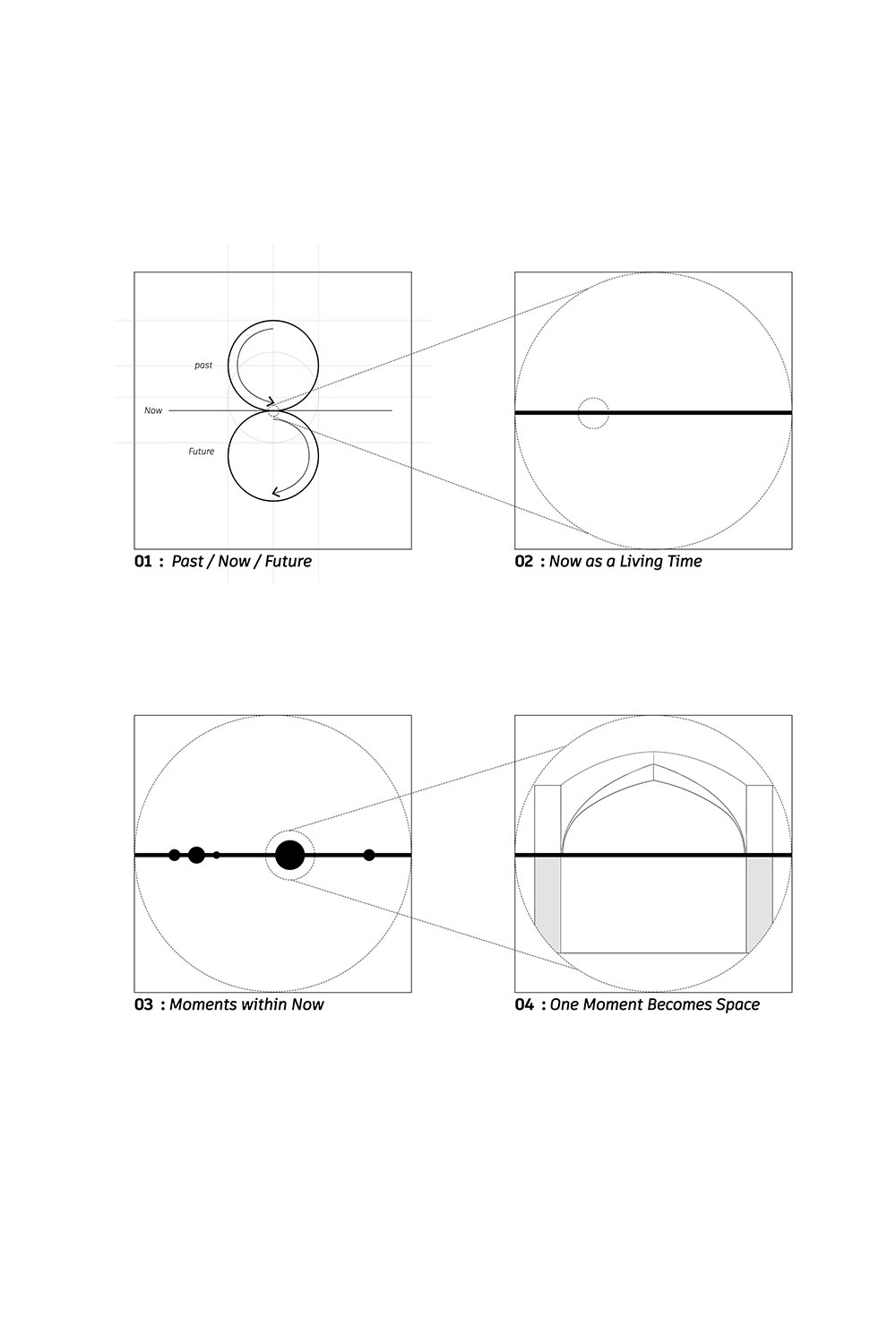
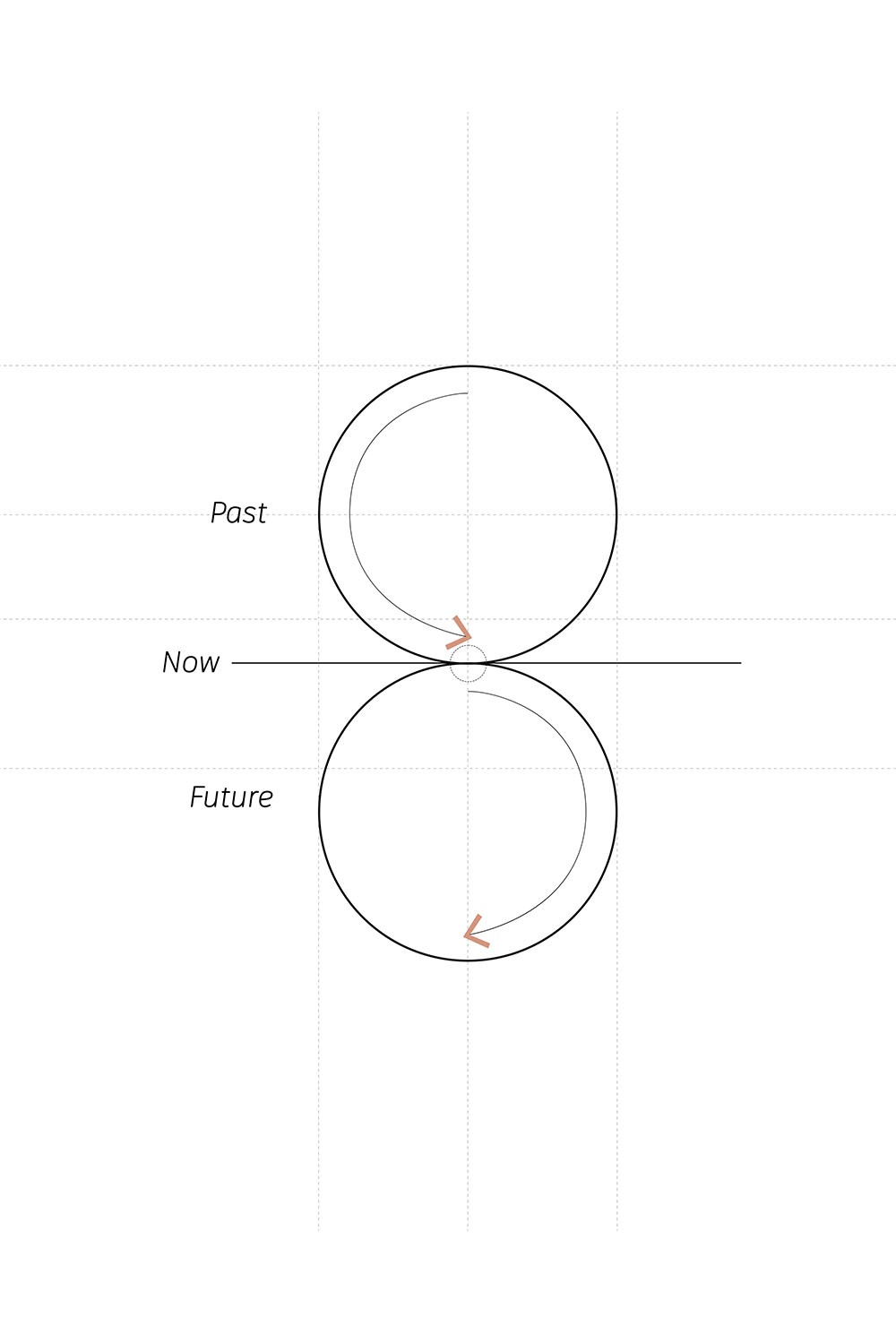
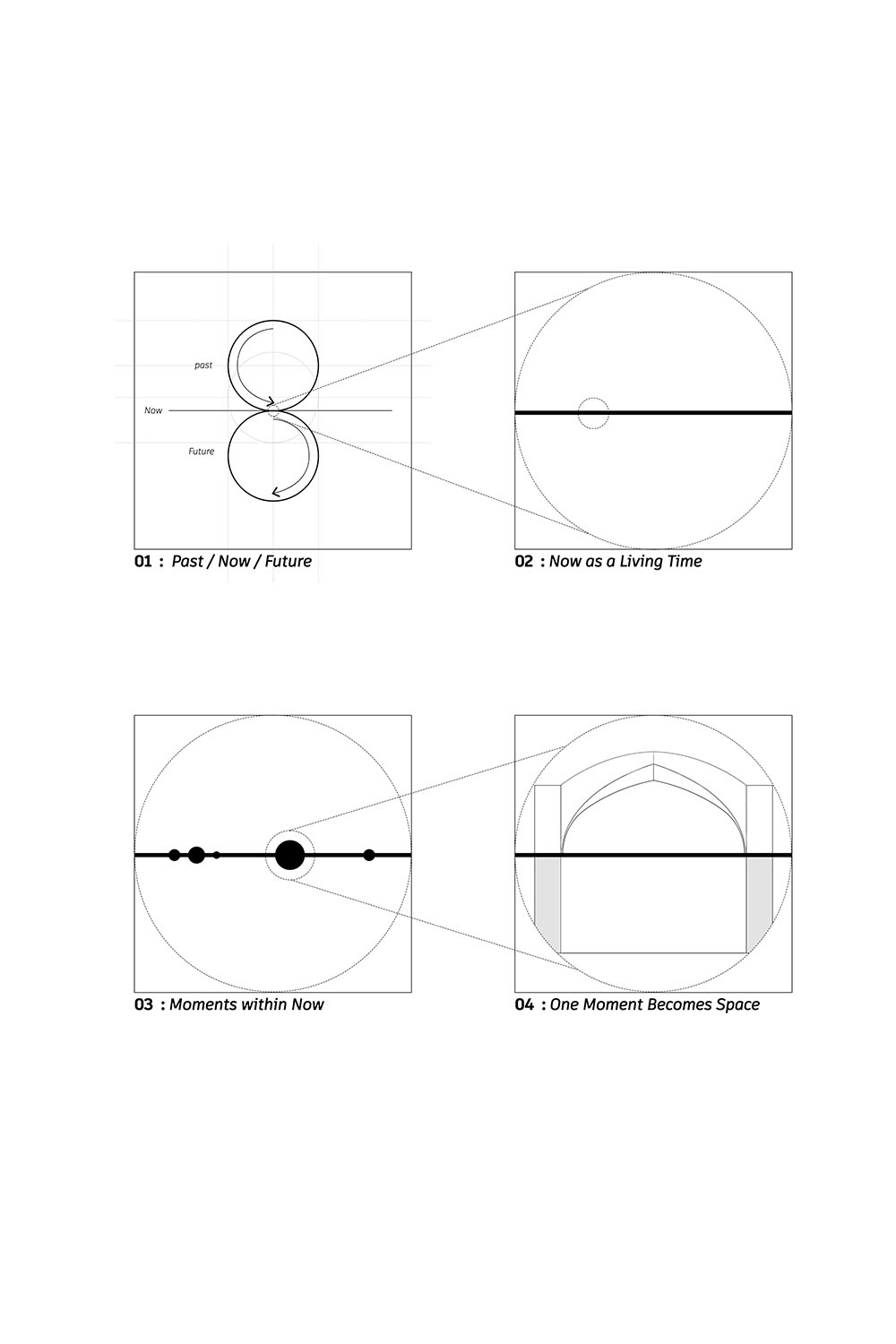
Since the restaurant is named “Zaman”—meaning time—its architectural narrative is inherently intertwined with reflections on temporality. The past is a fleeting instant that has already slipped away, while the future embodies our hope for the moments yet to come. The “now” is a delicate tangent touching both spheres of past and future, an ever-moving boundary where the future continuously transforms into memory. These two rotating spheres, like cosmic bodies, exchange seconds between them as if through a temporal vortex.

To grasp and inhabit the present is a rare privilege, one beautifully echoed by Saadi in his reminder that every breath is a blessing worthy of gratitude.

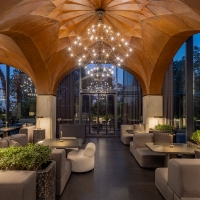
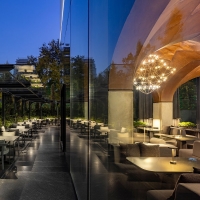
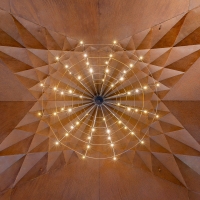
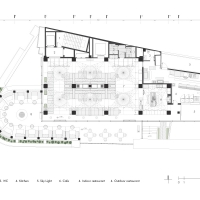
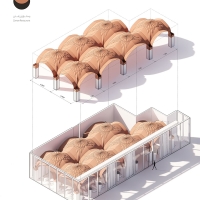
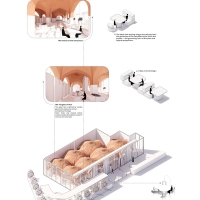
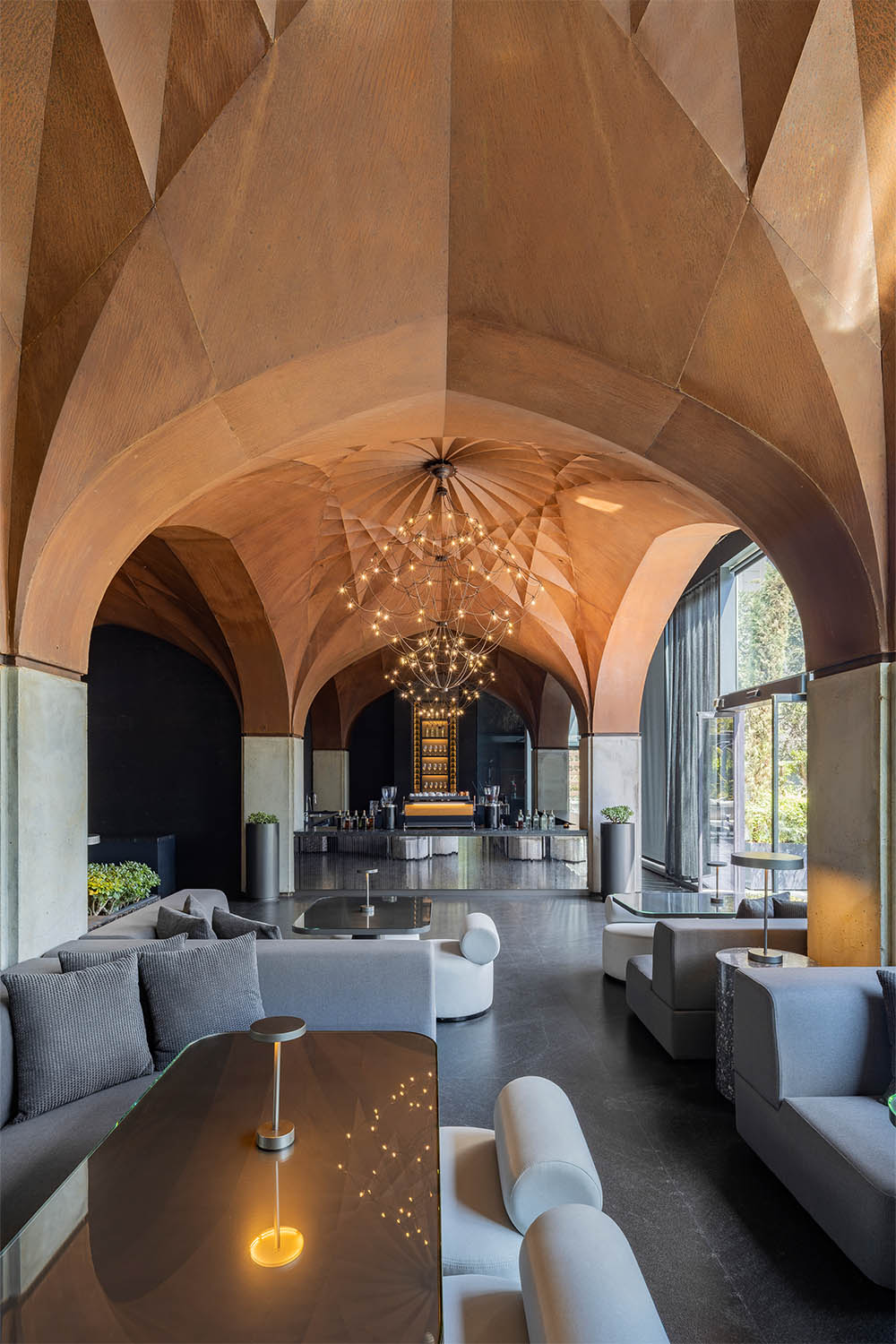
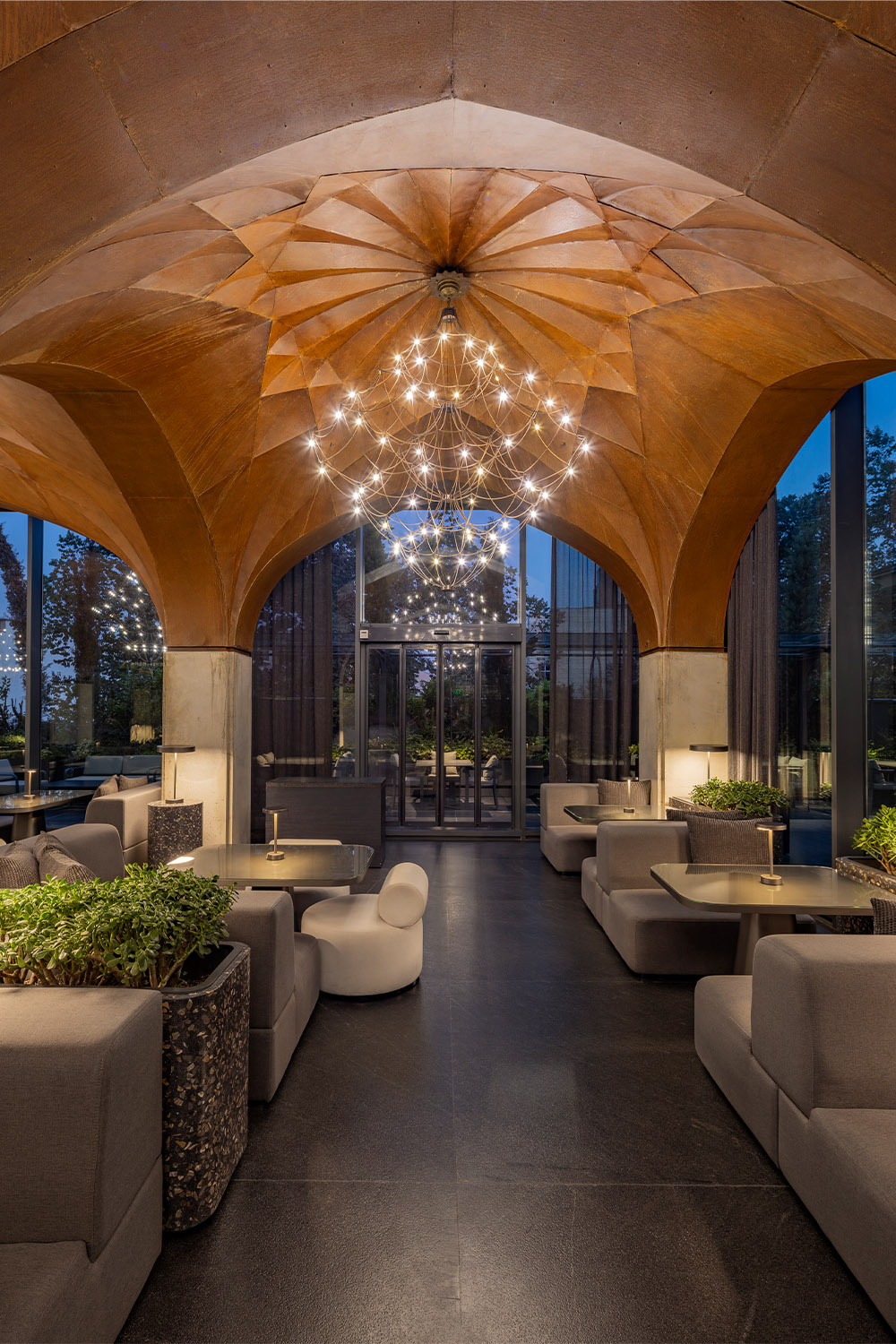
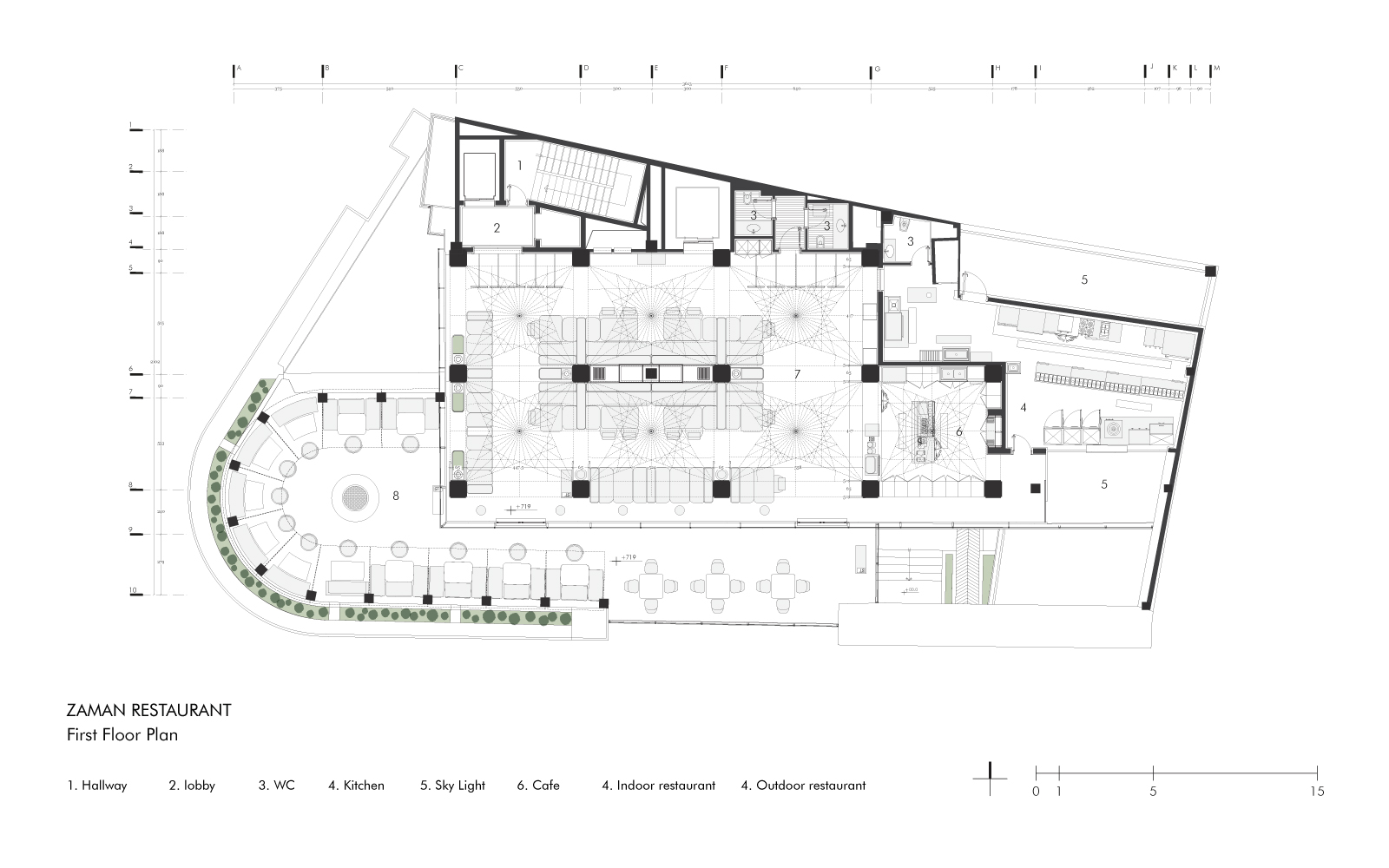
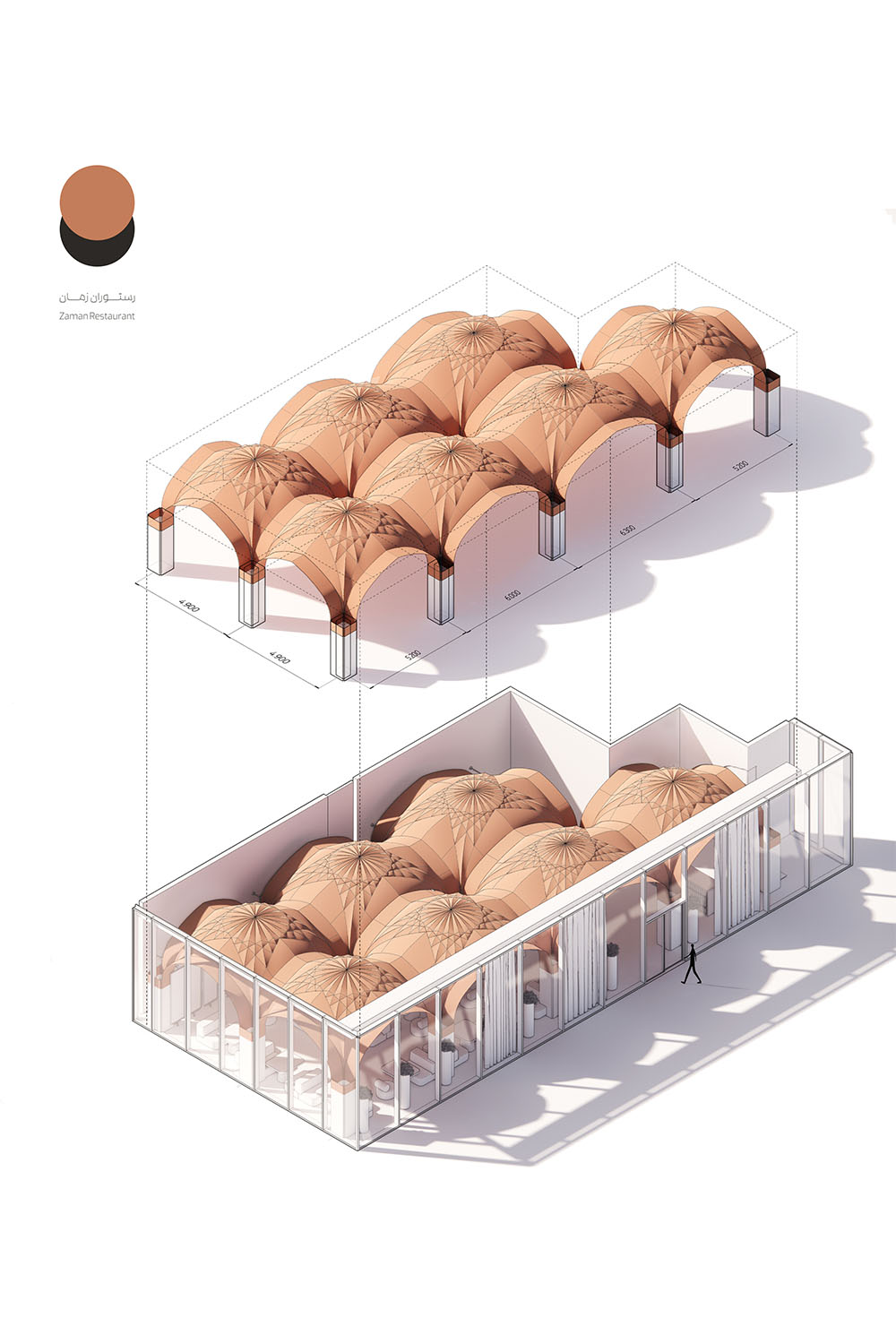
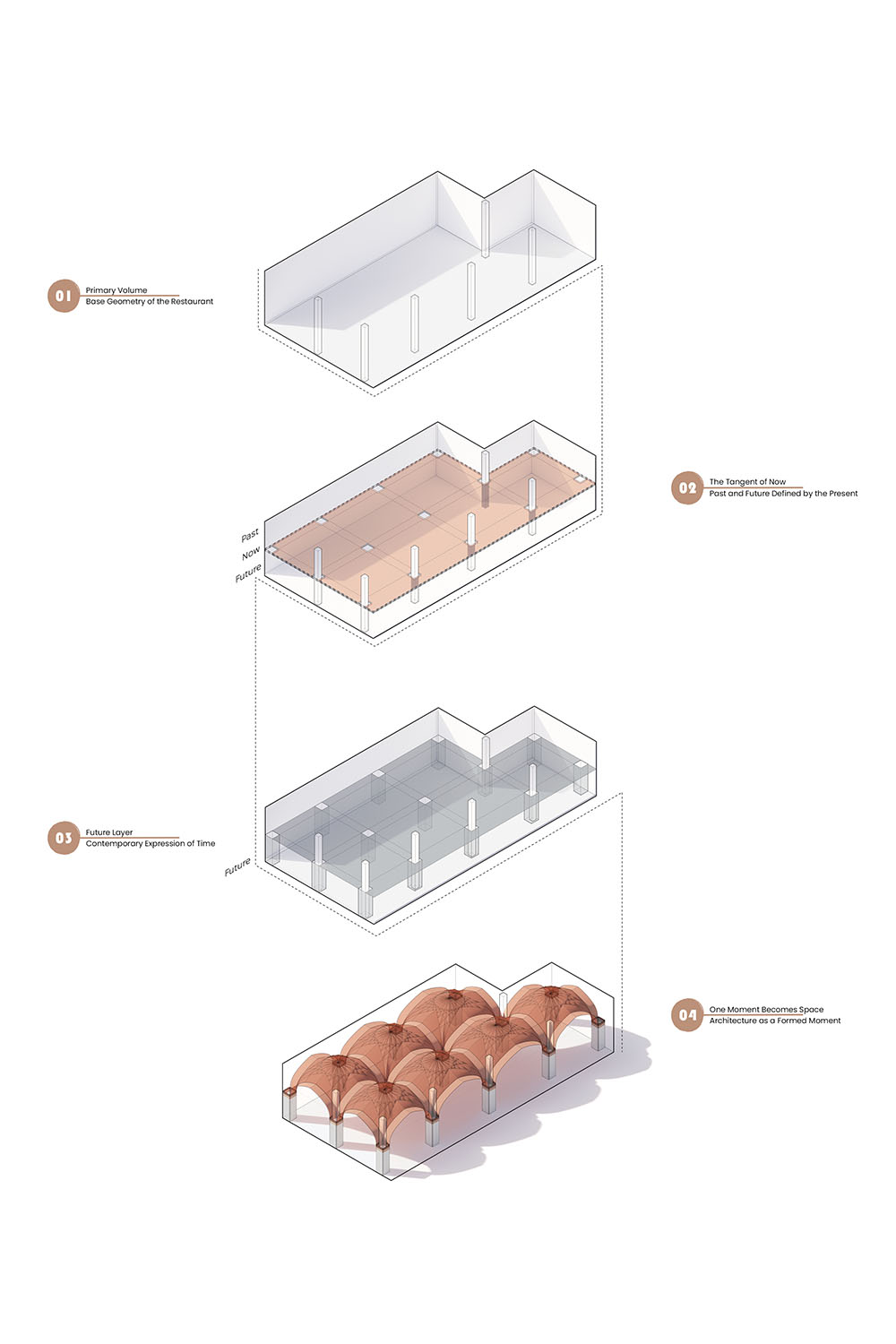
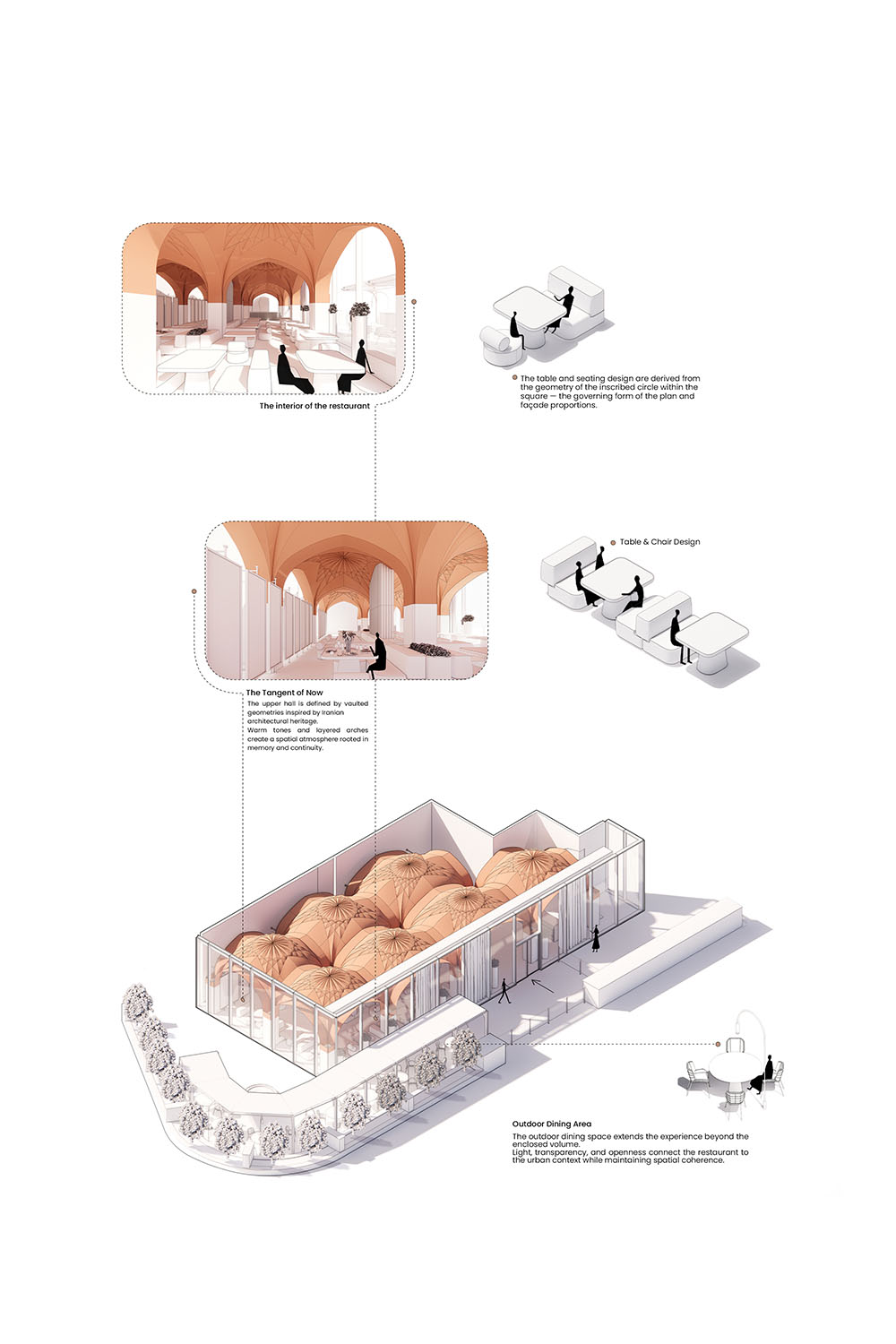
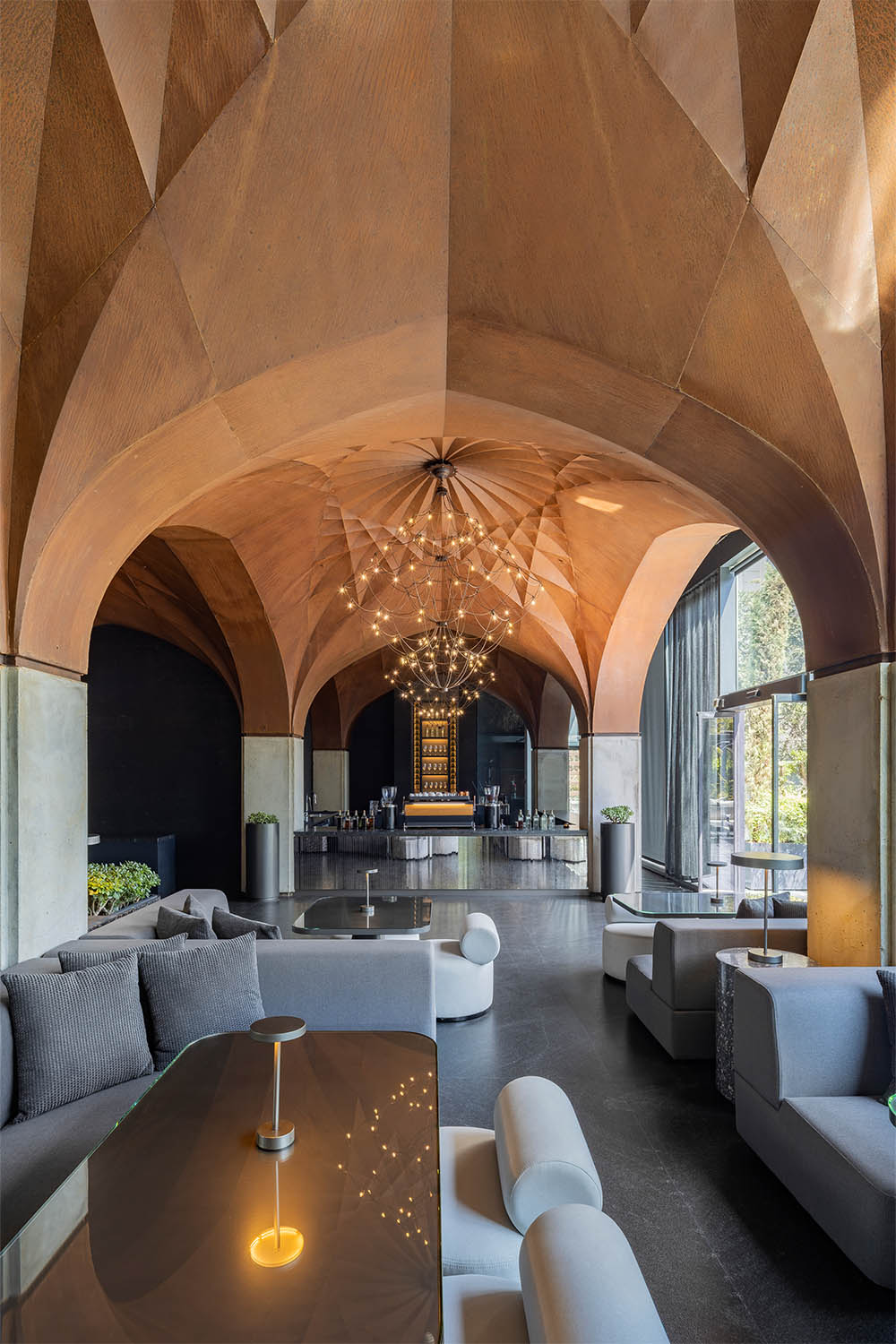
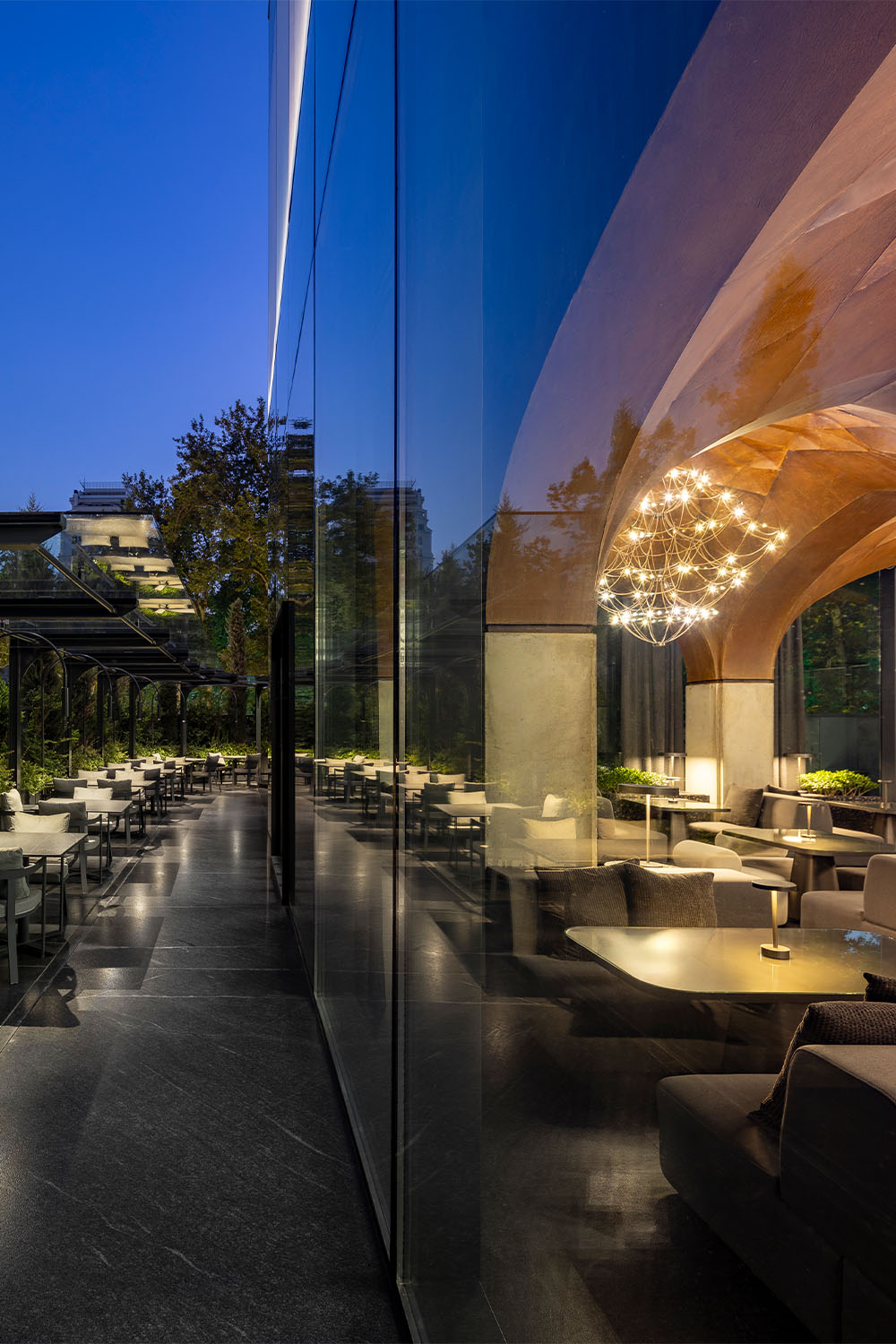
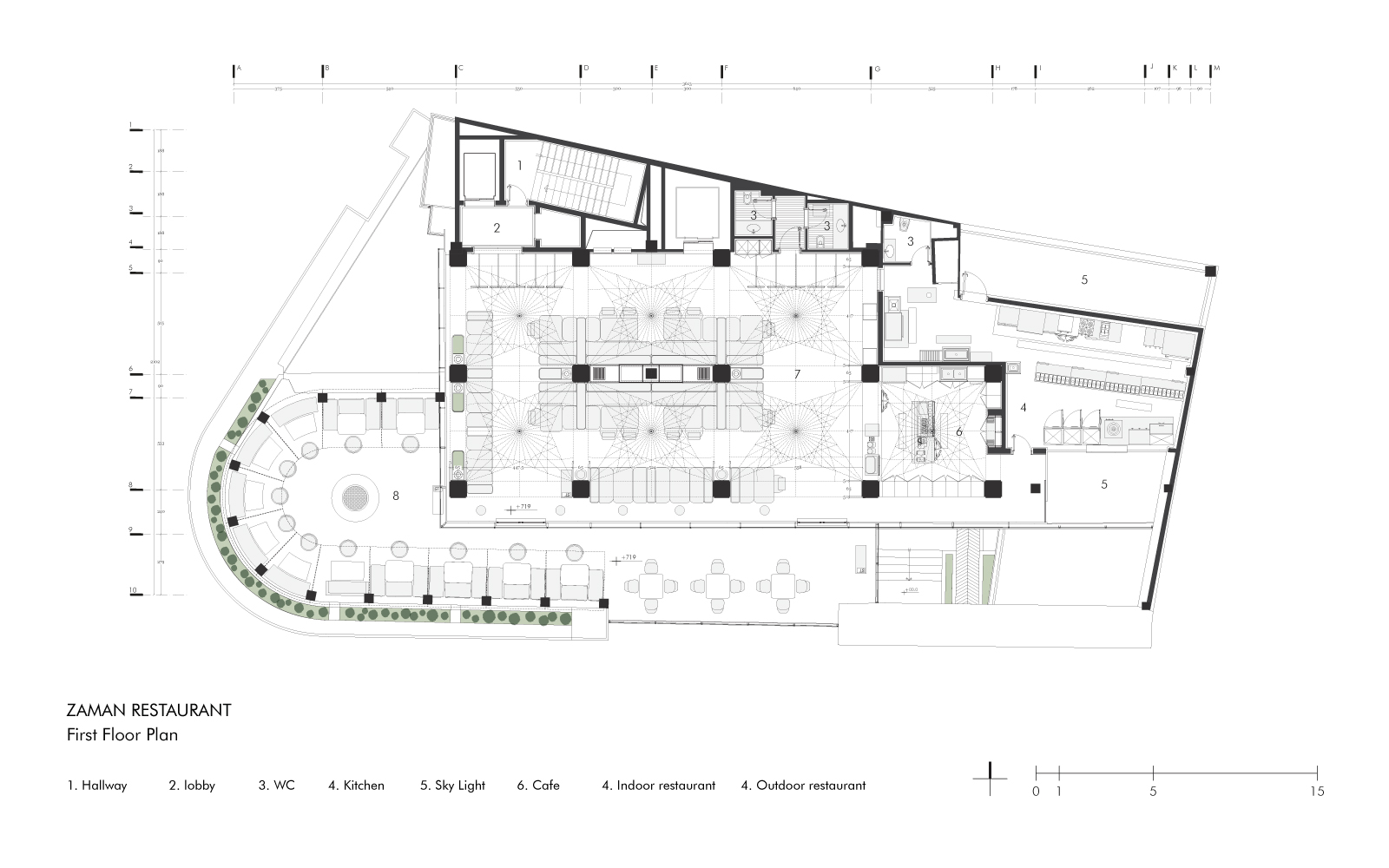
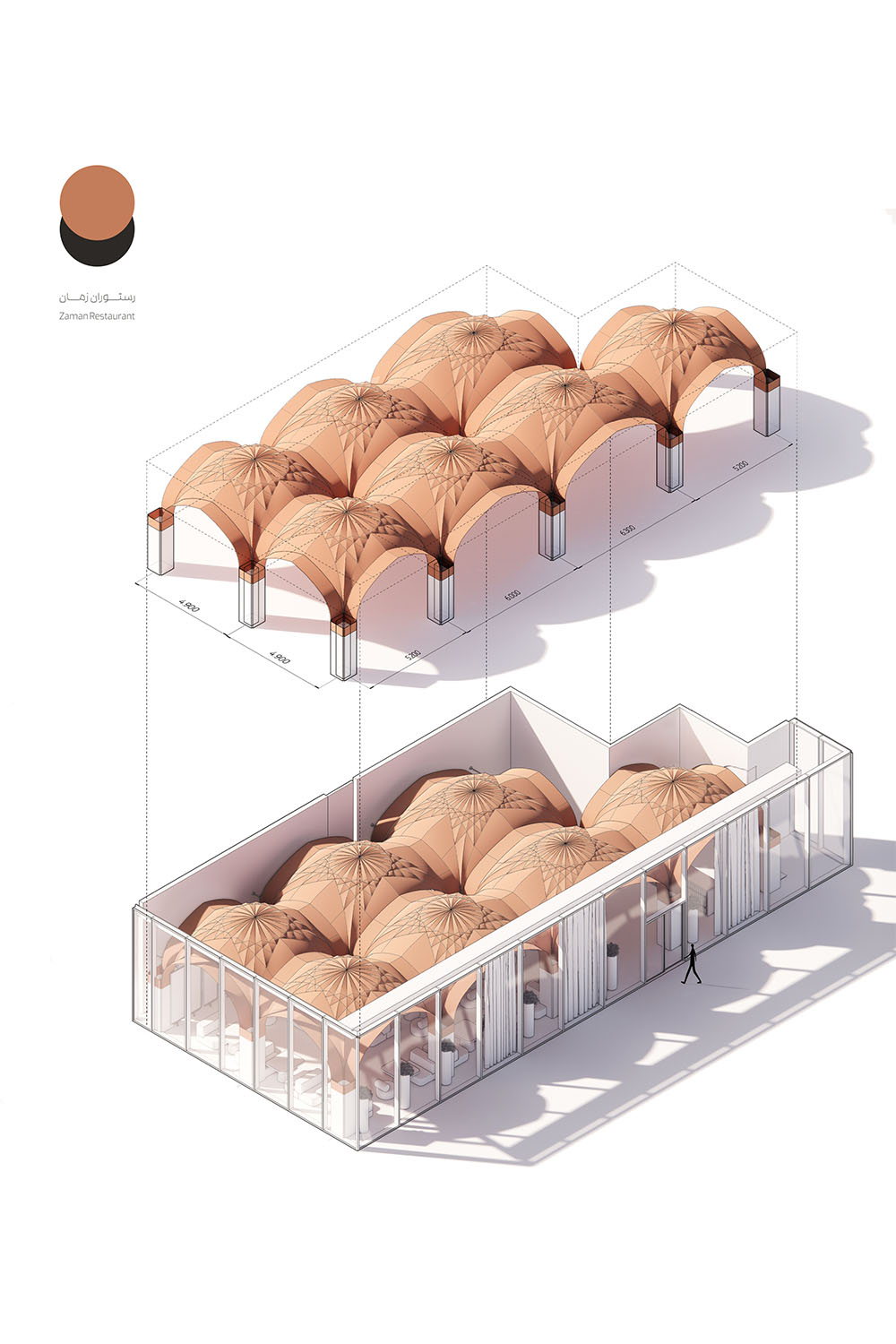
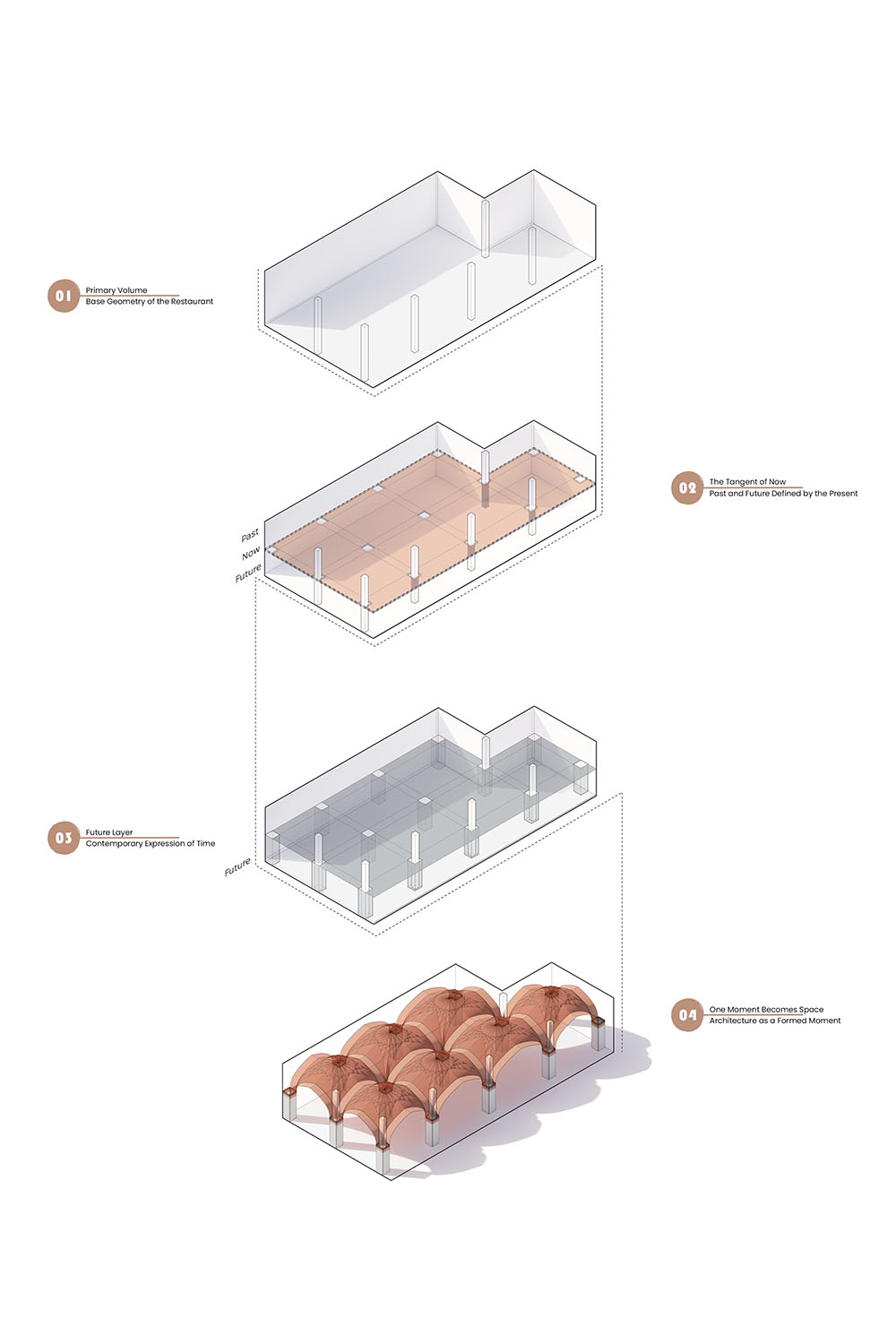
The spatial geometry of the project is defined by a circle inscribed within a perfect square. The plan is composed of seven bays, each extended to the elevation through the same proportional logic. A central axis passes through the inscribed circle and continues across the facade of every bay, marking the exact point where the upper sphere touches the cubic volume below.

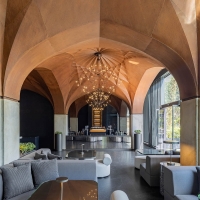
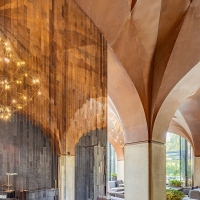
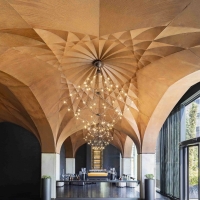
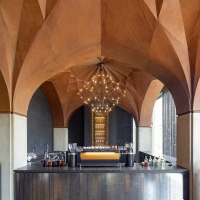
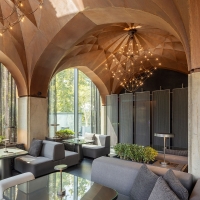
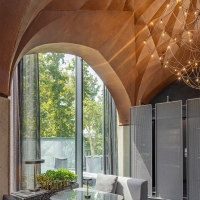
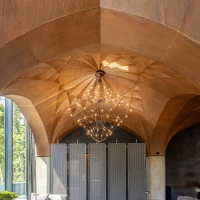
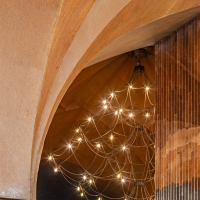
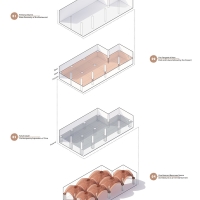
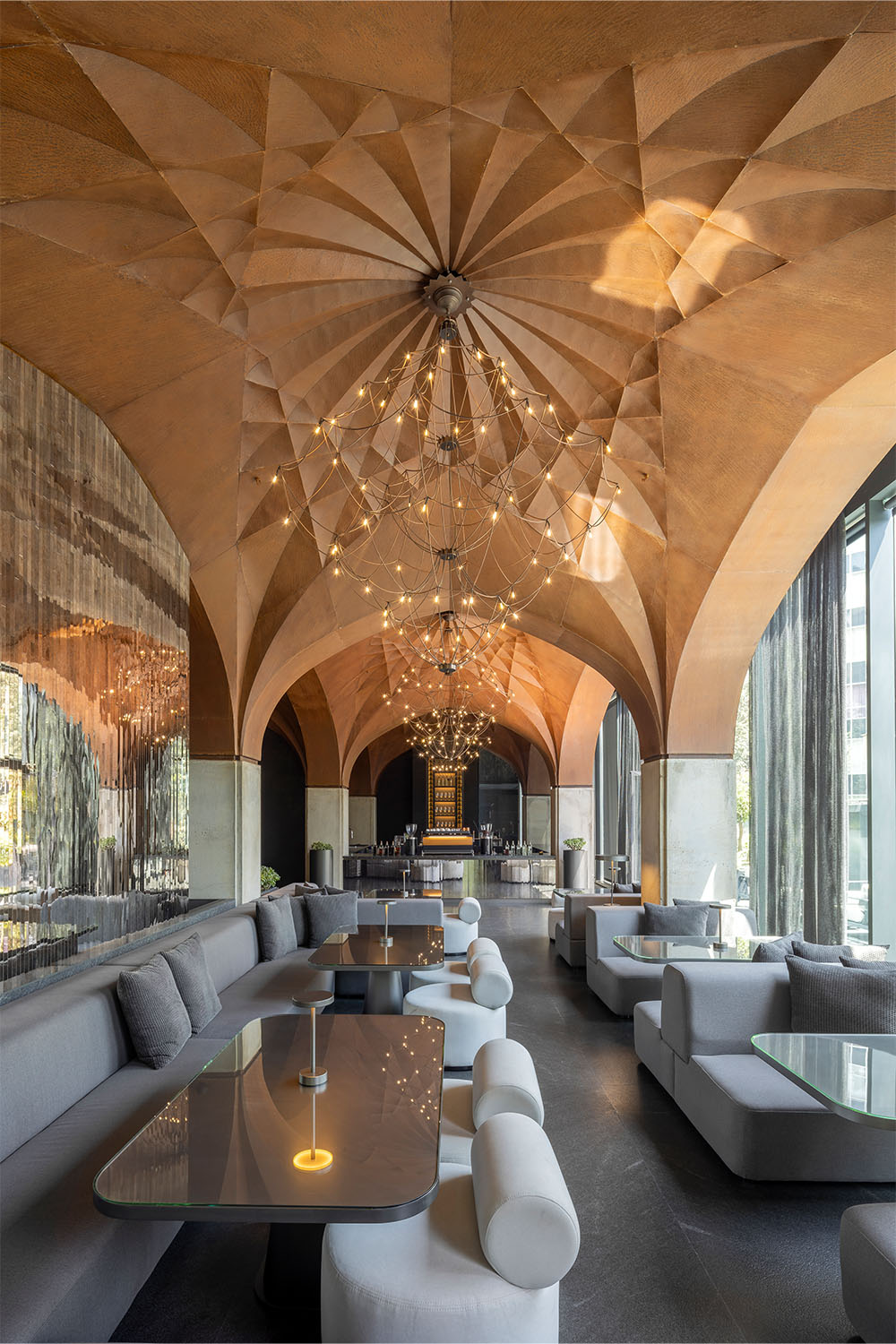
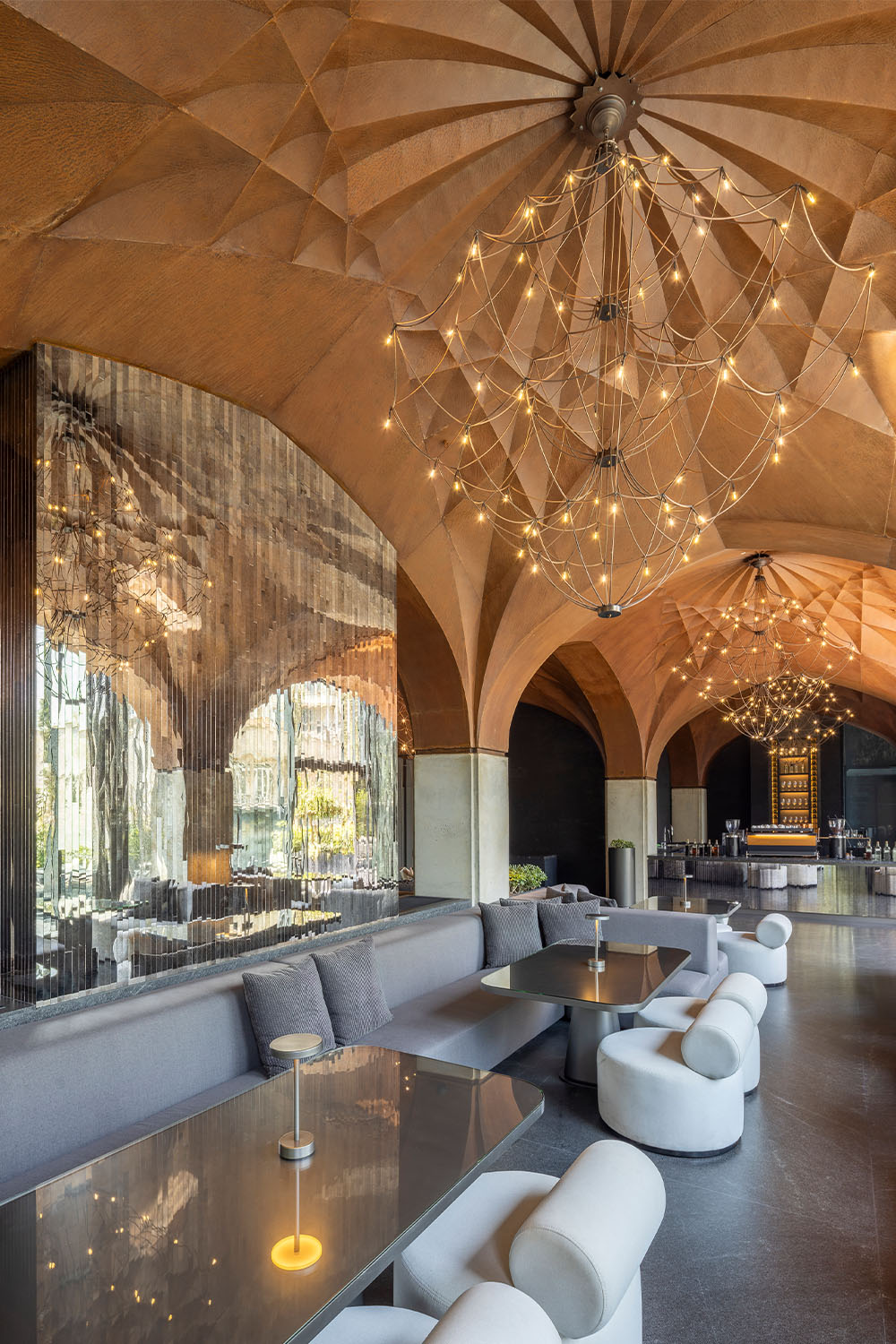
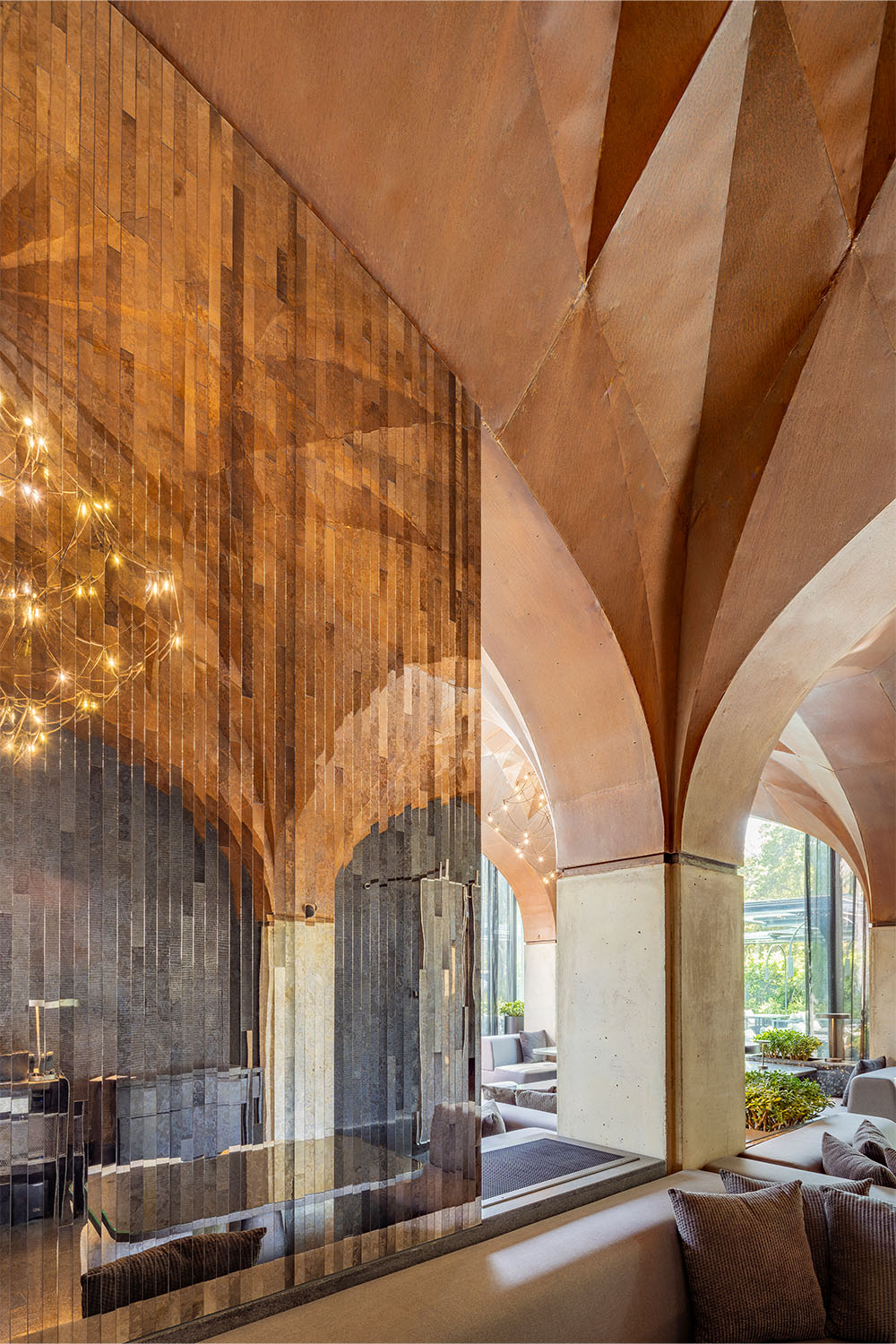
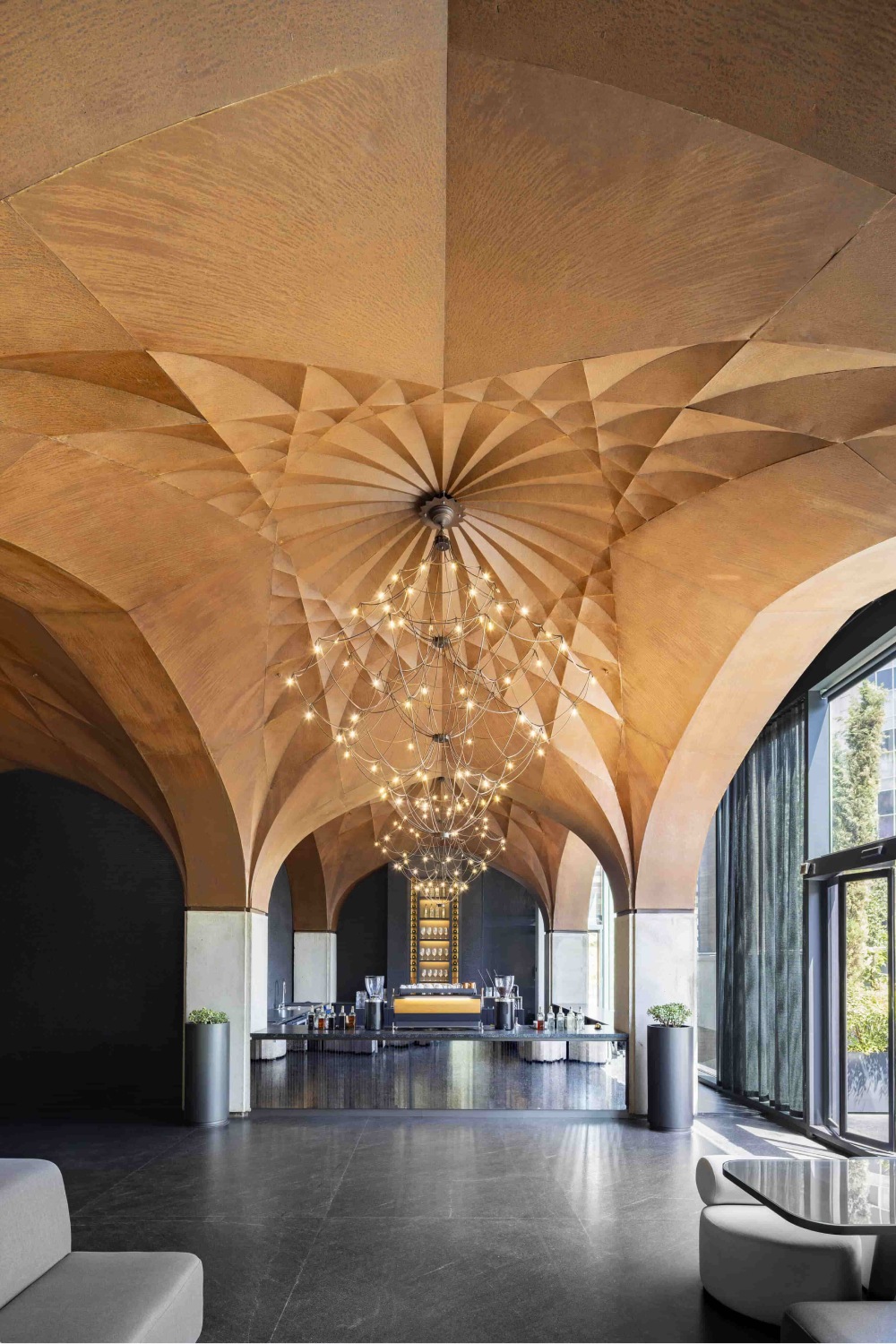
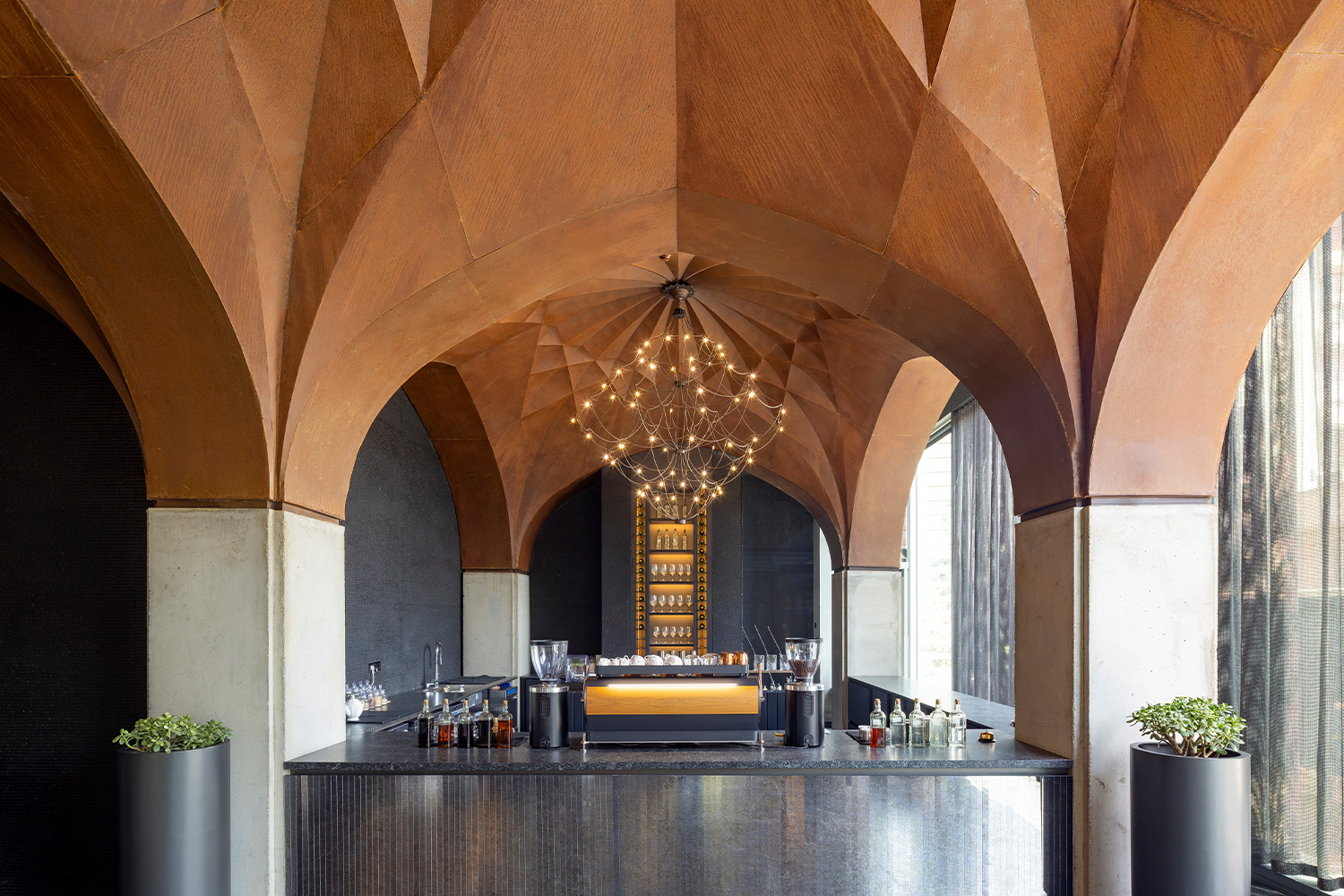
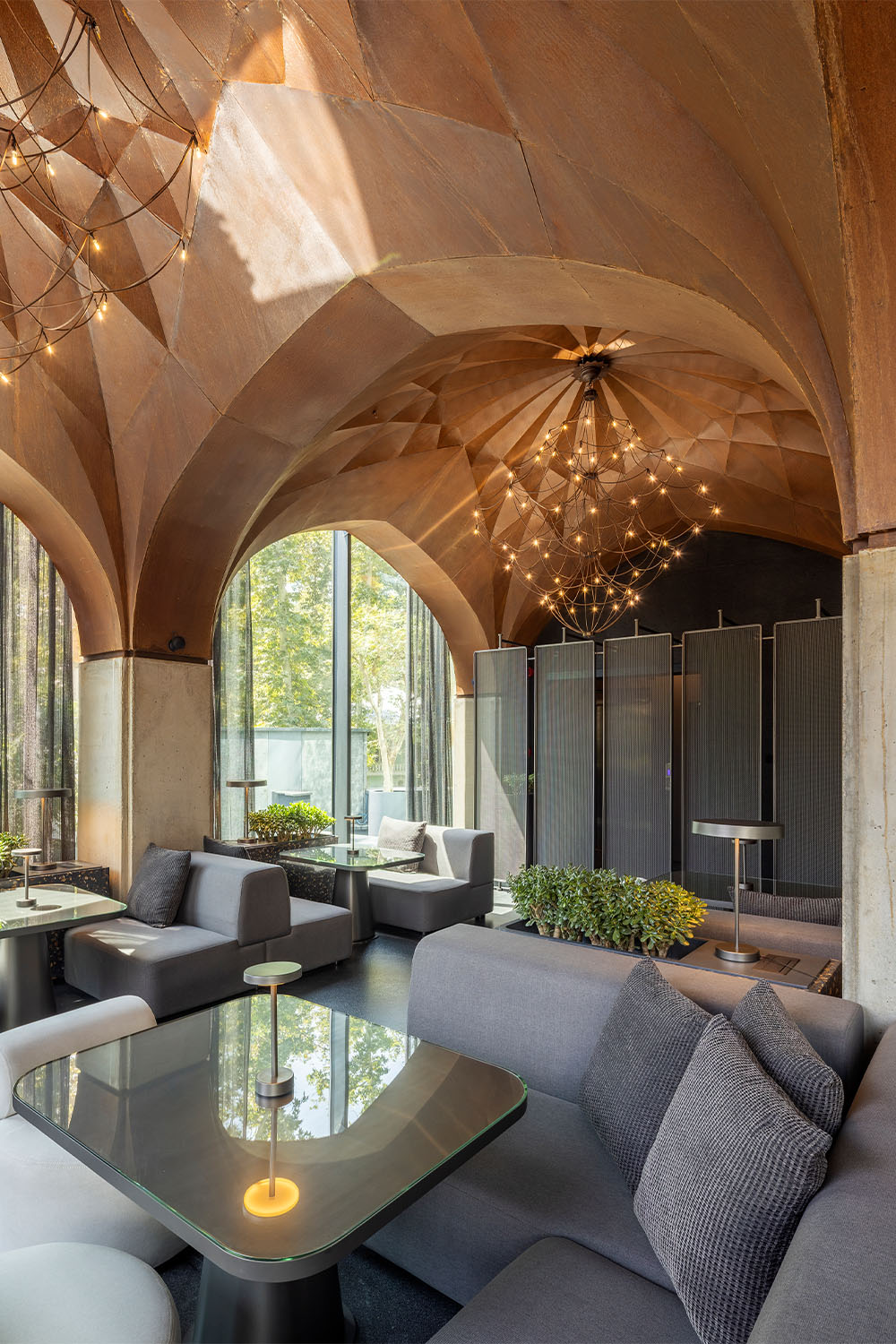
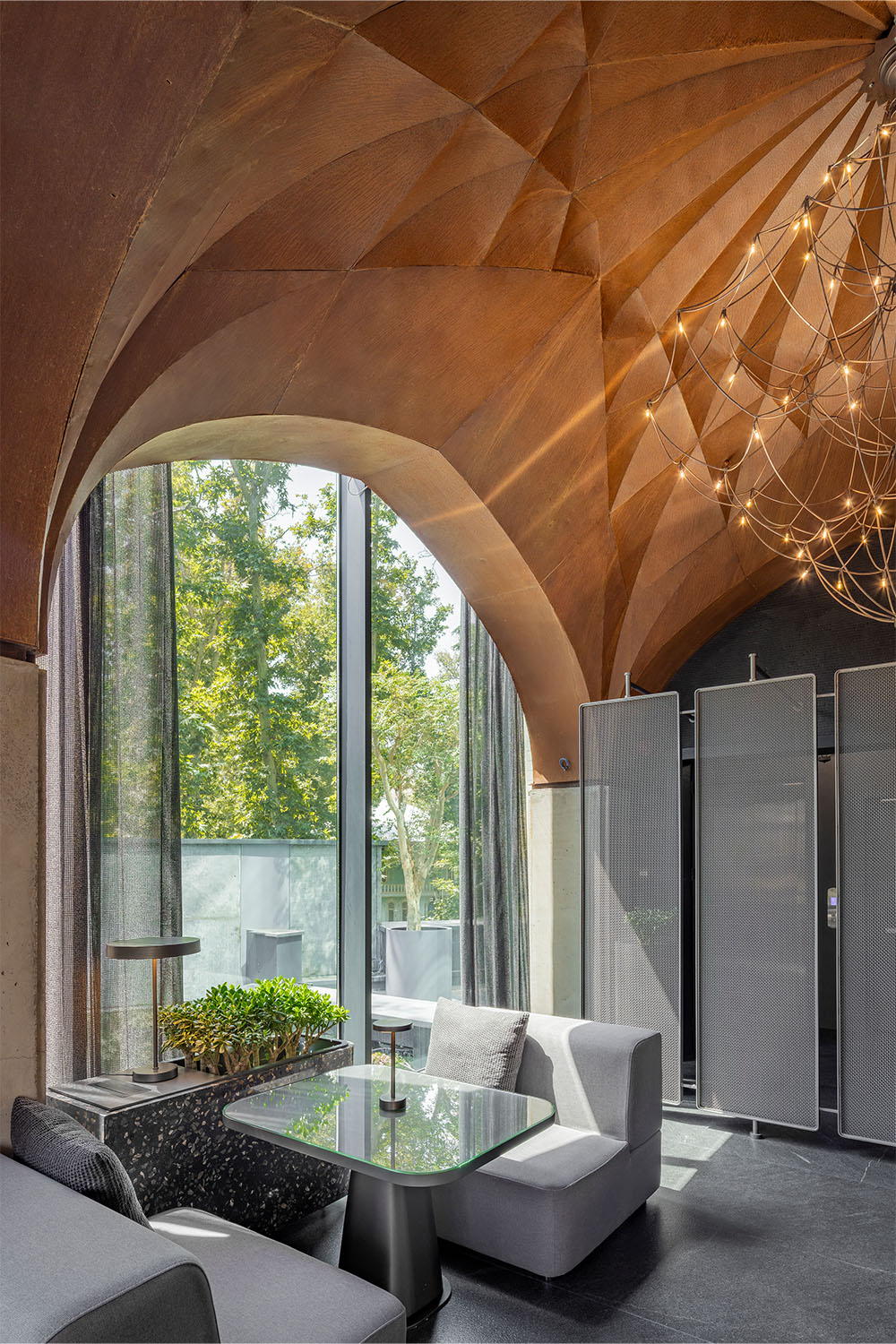
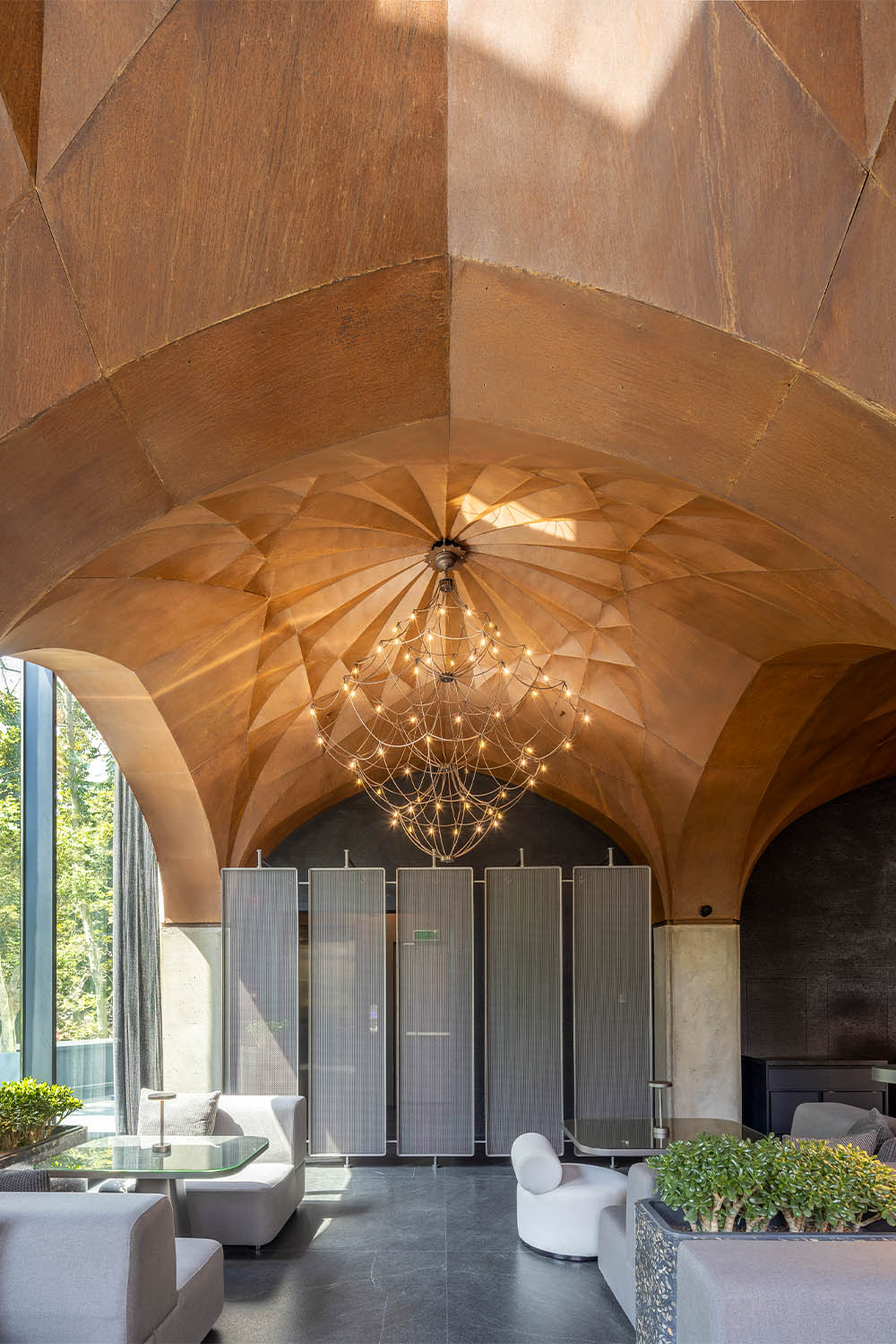
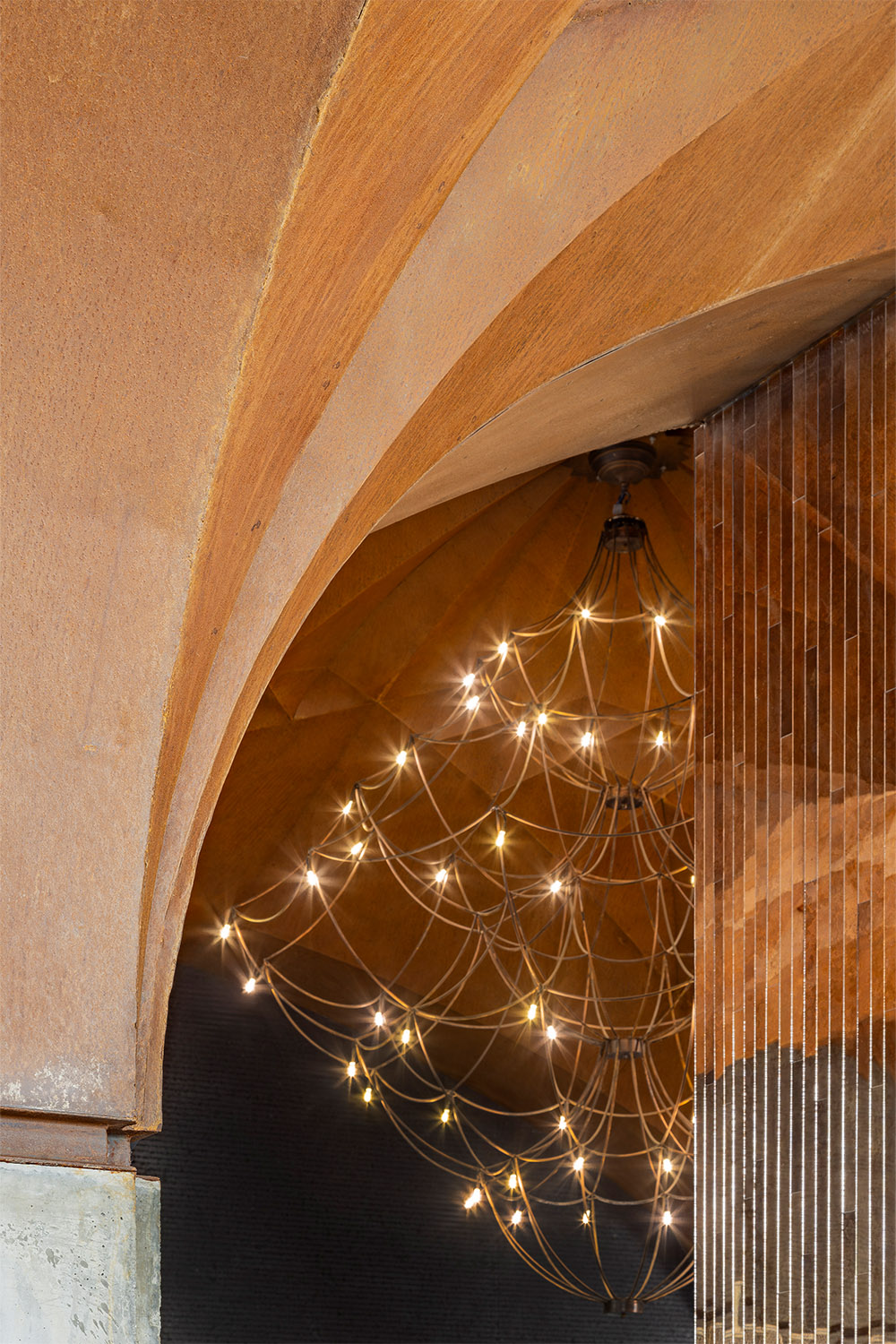
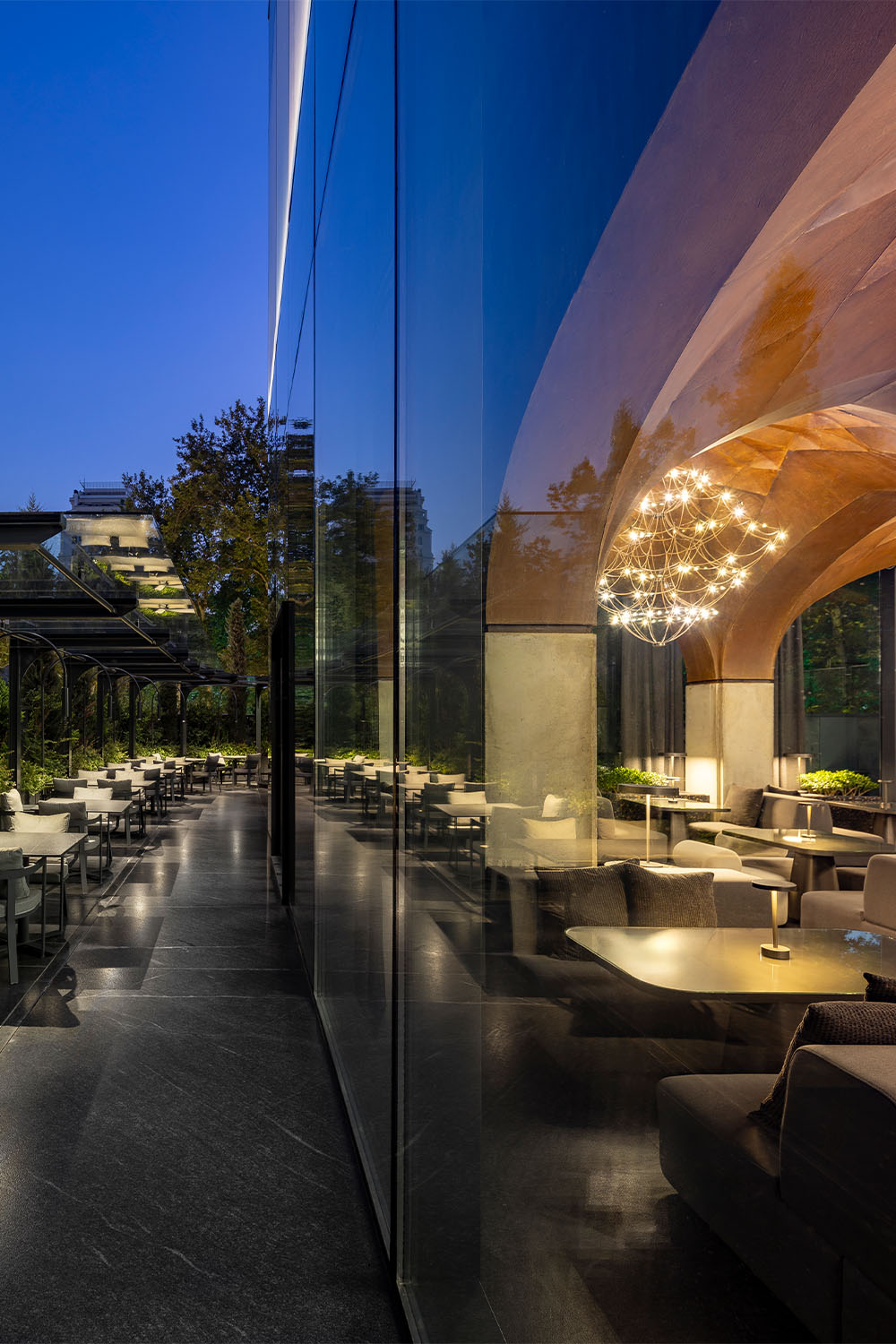
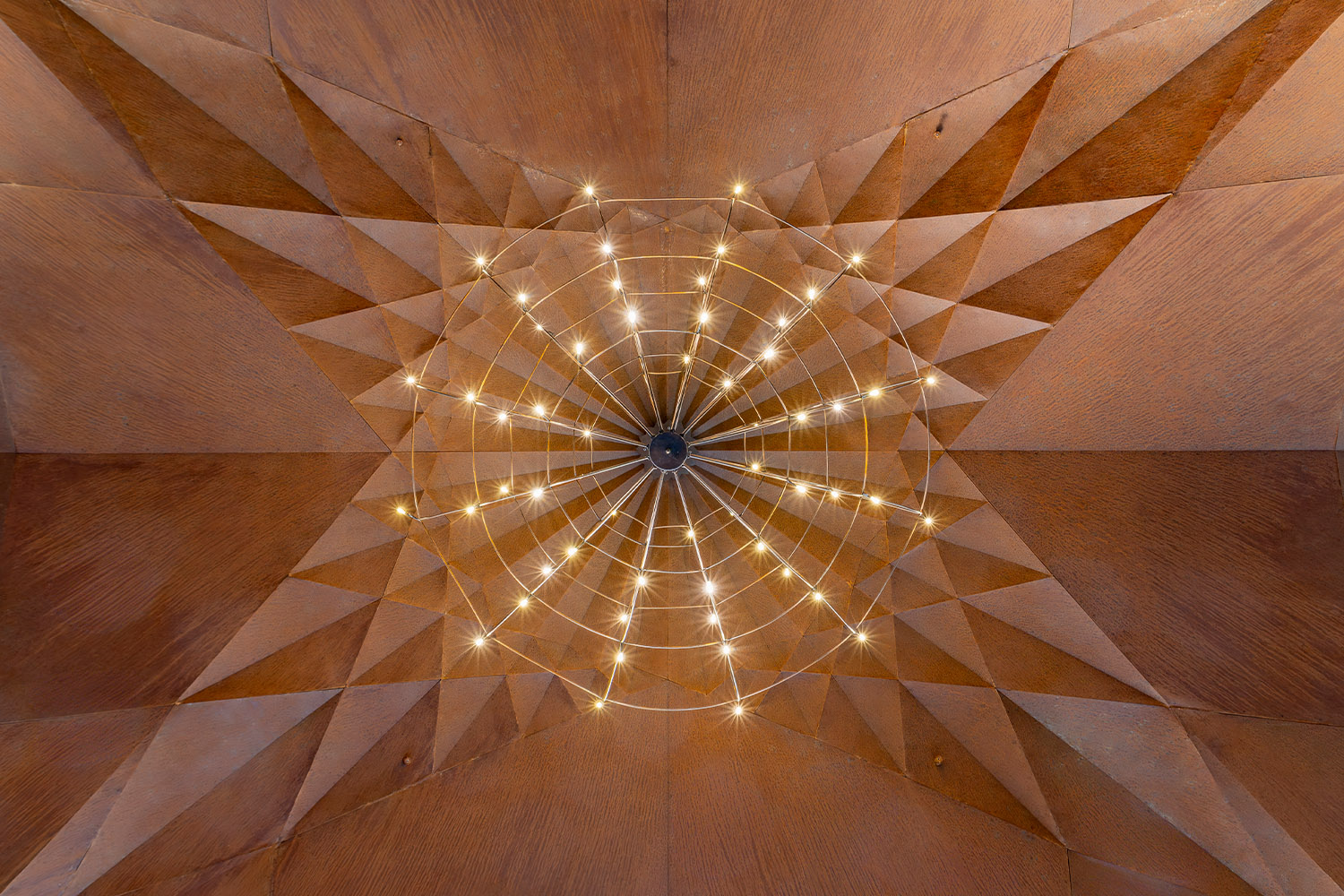
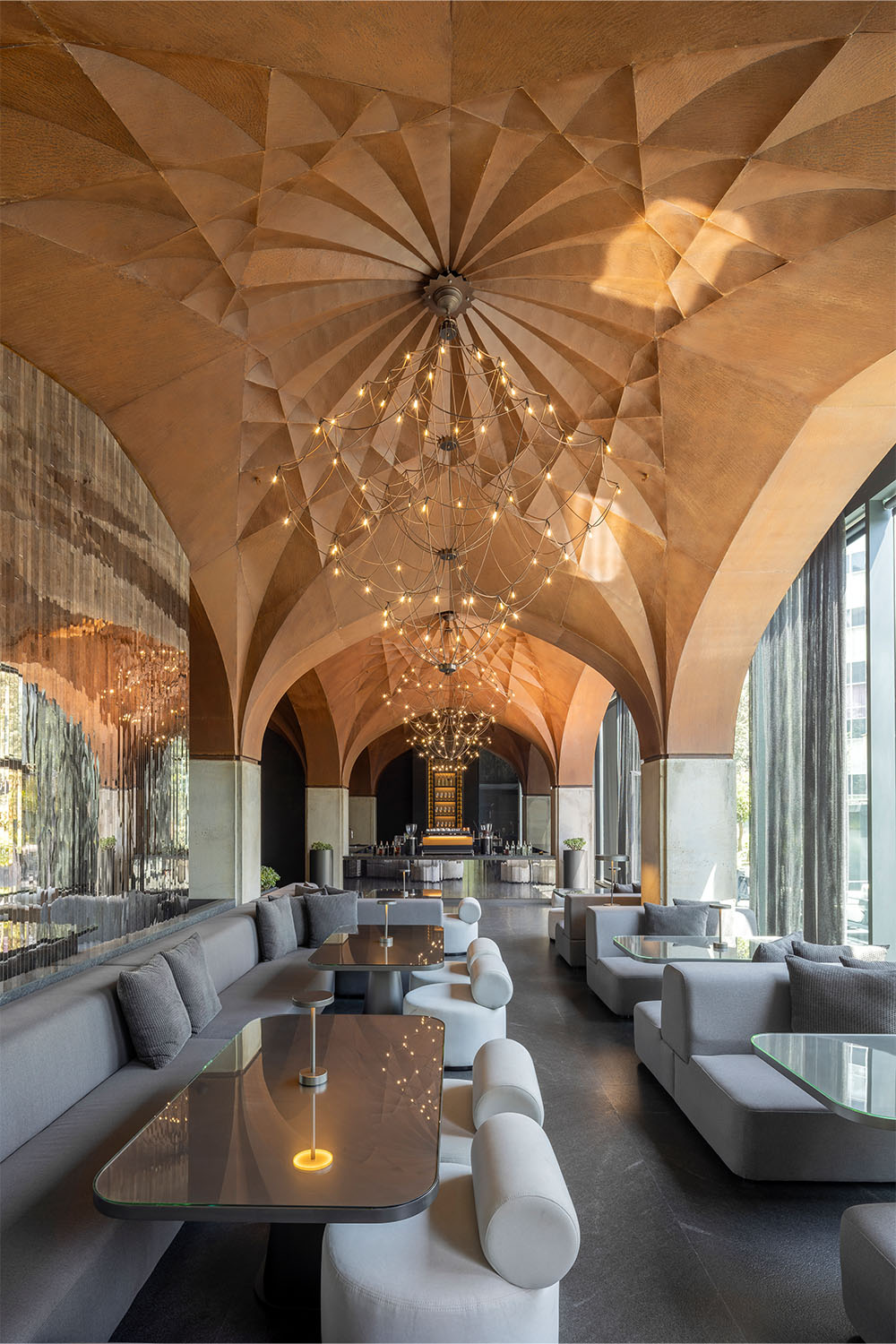
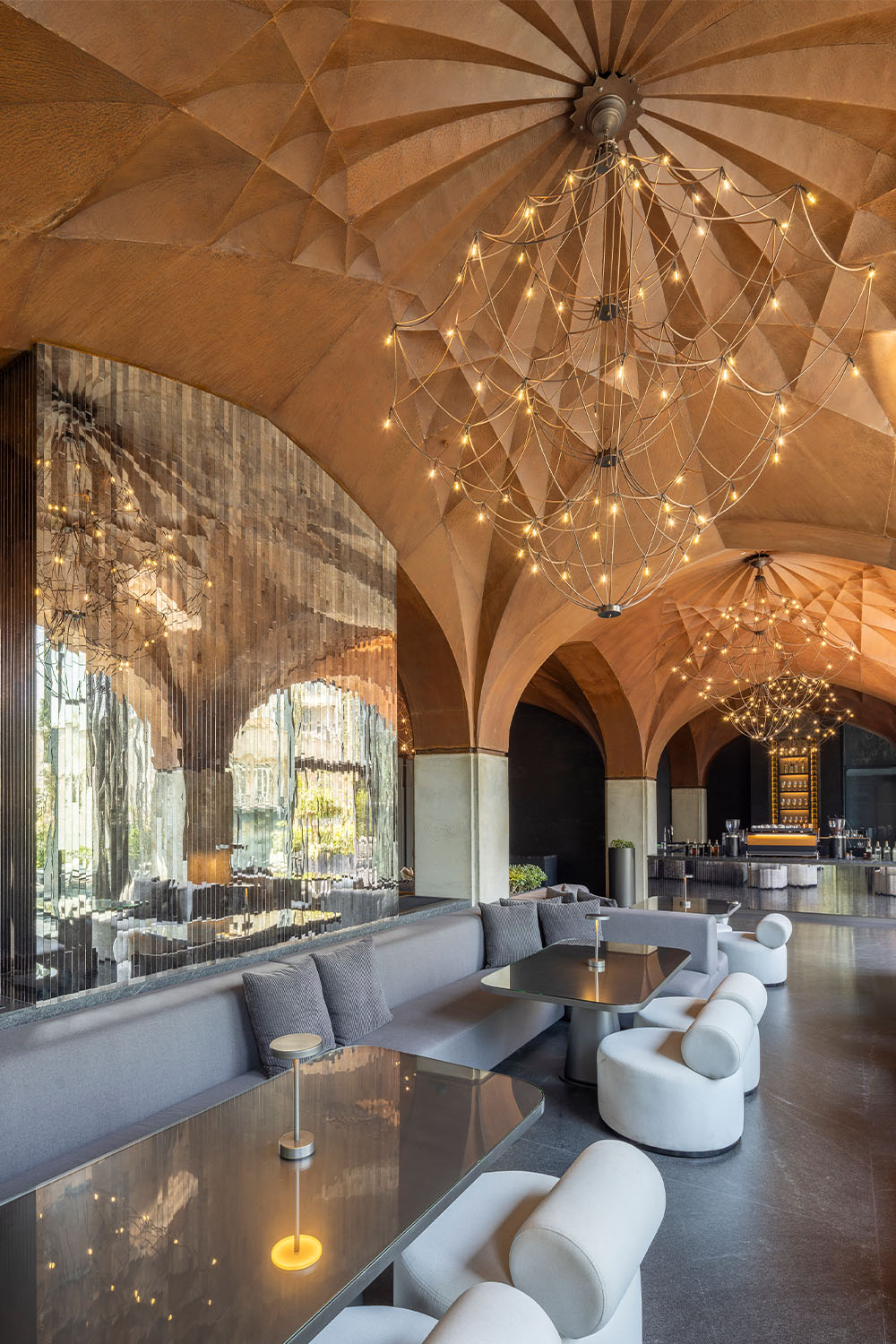
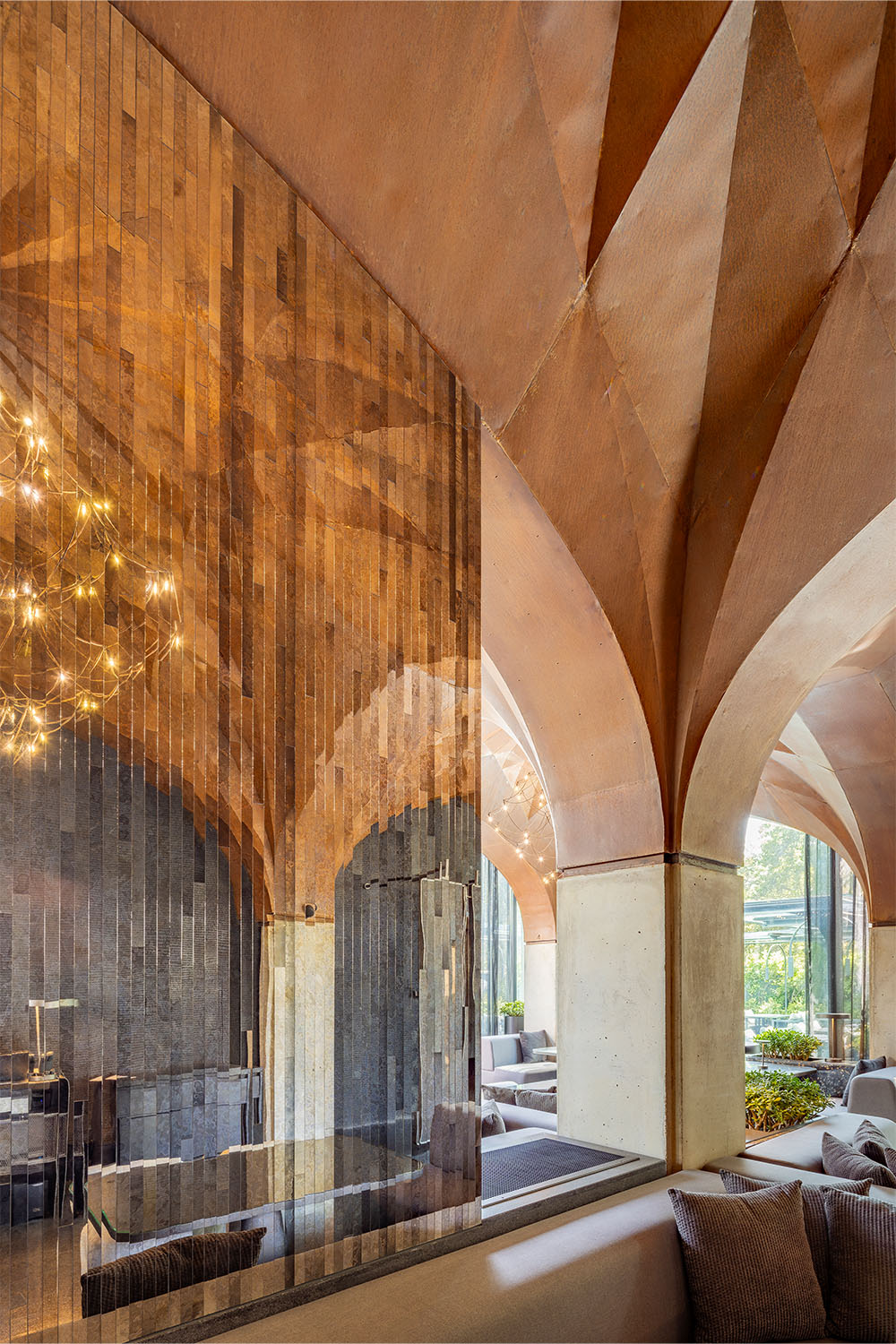
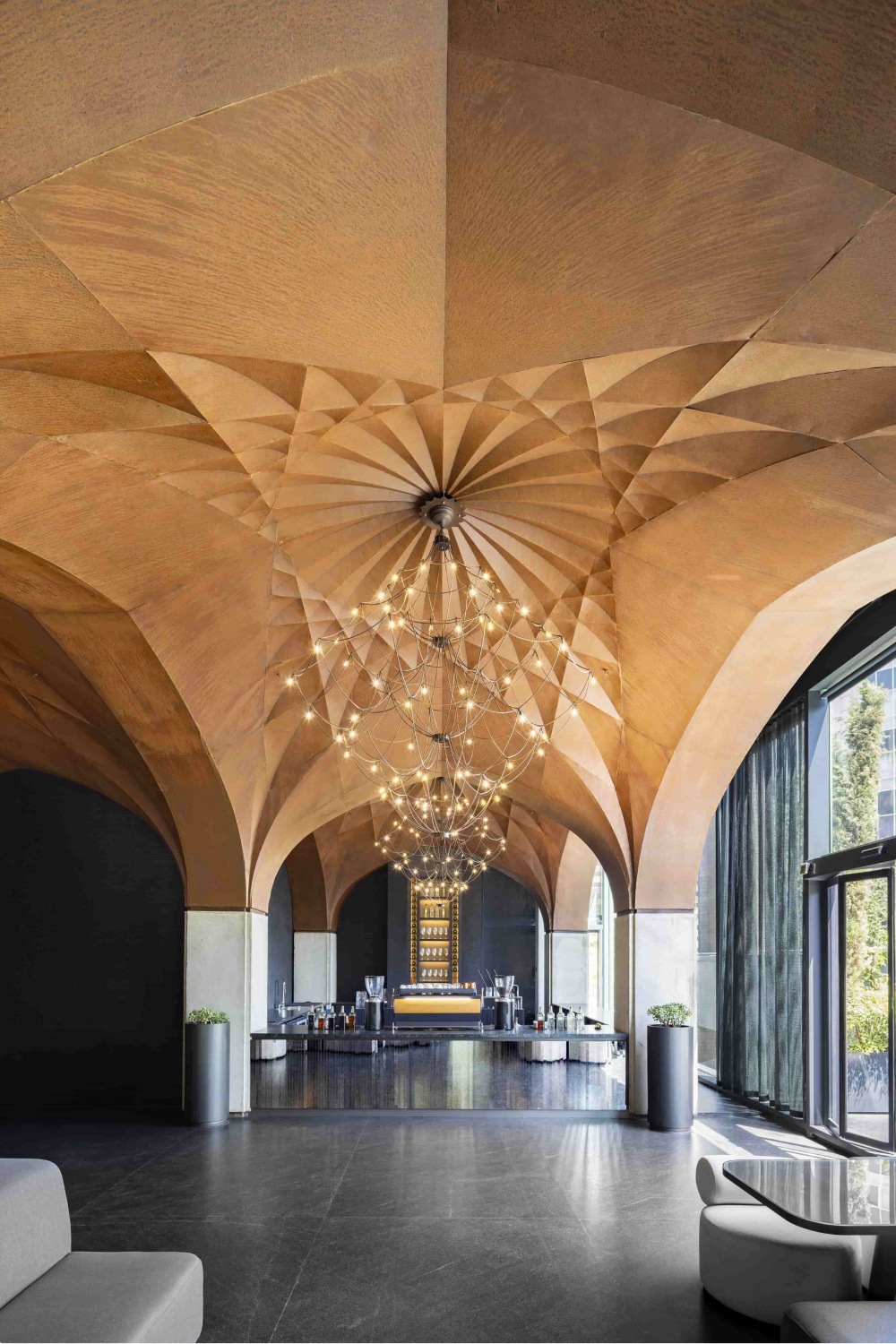
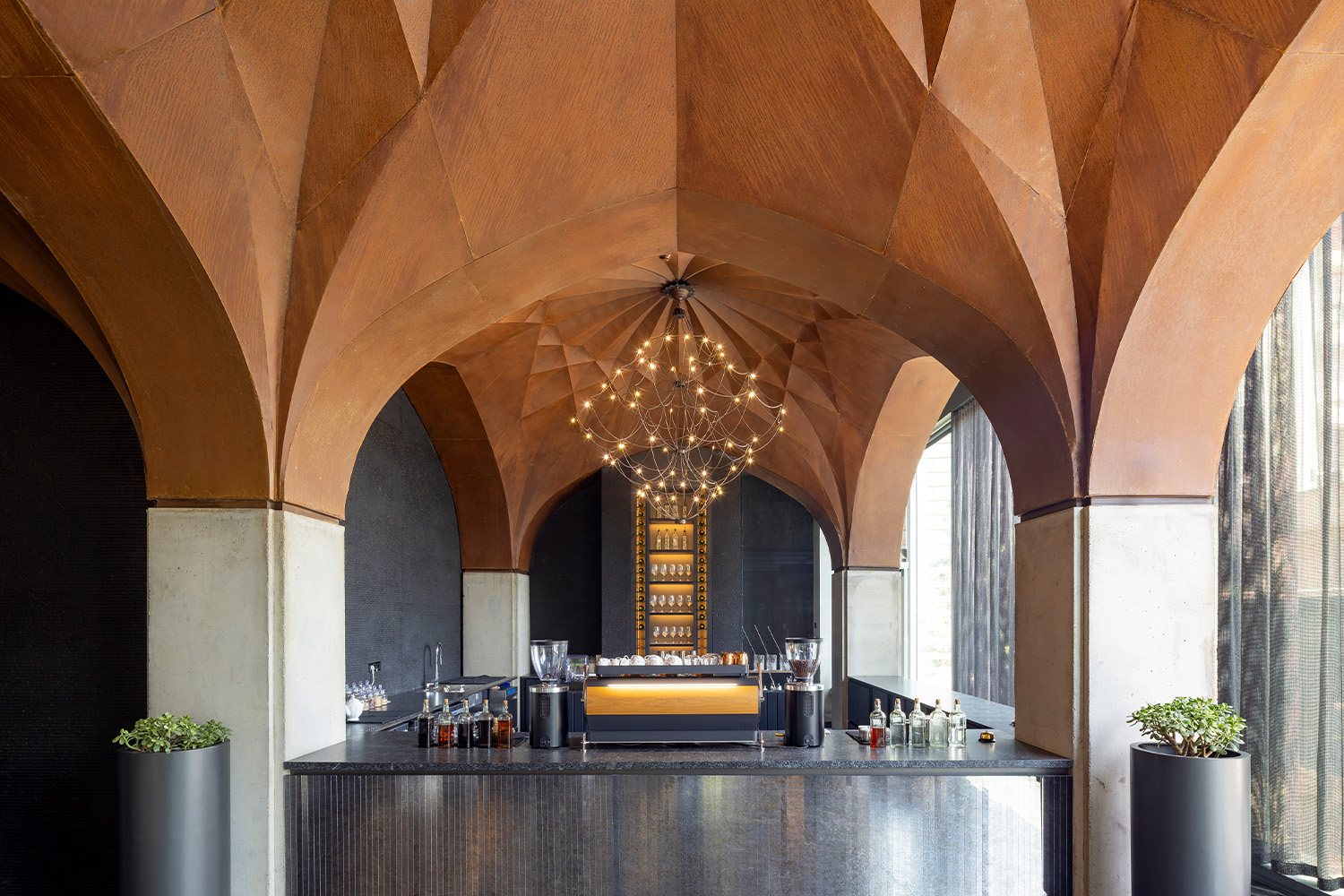
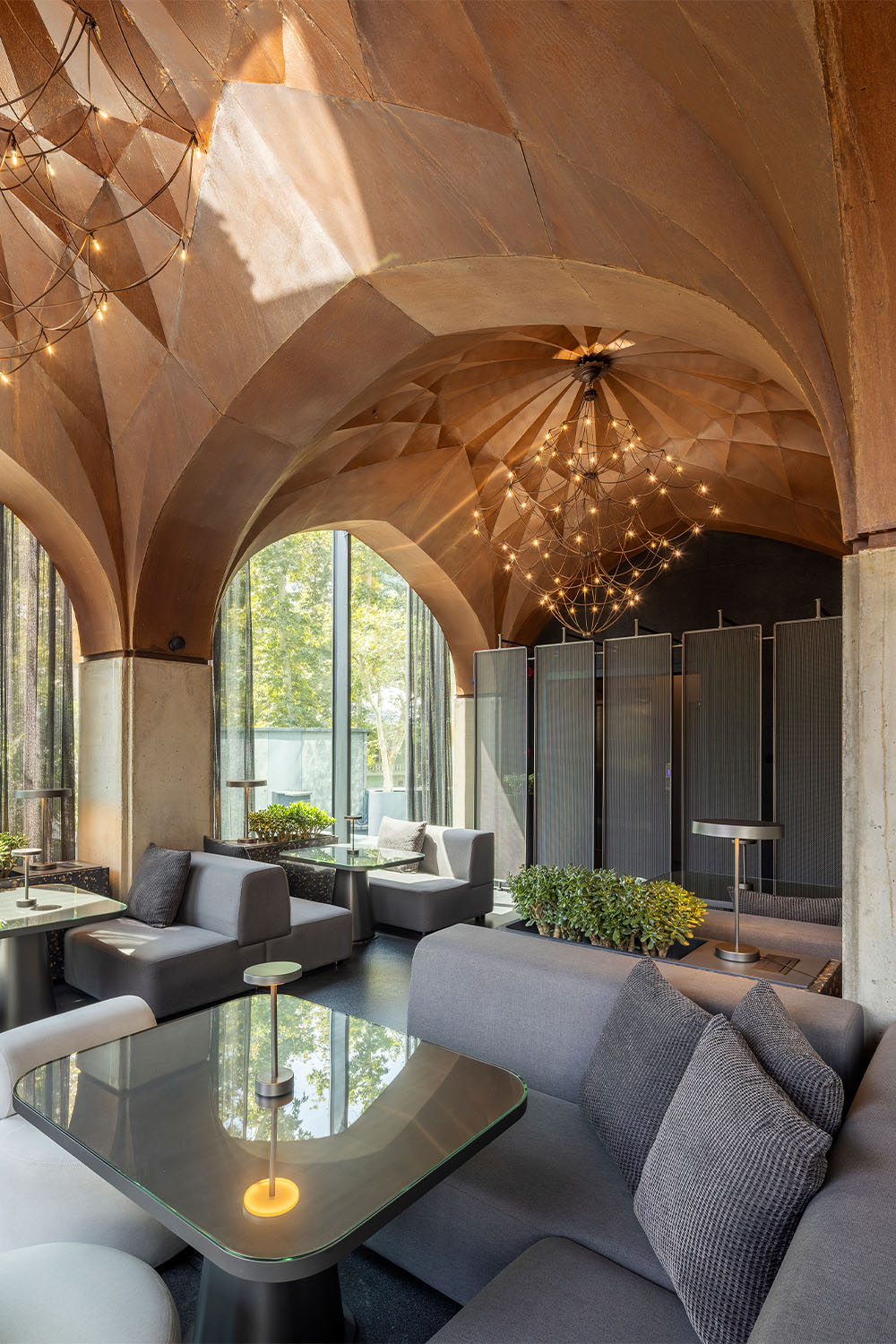
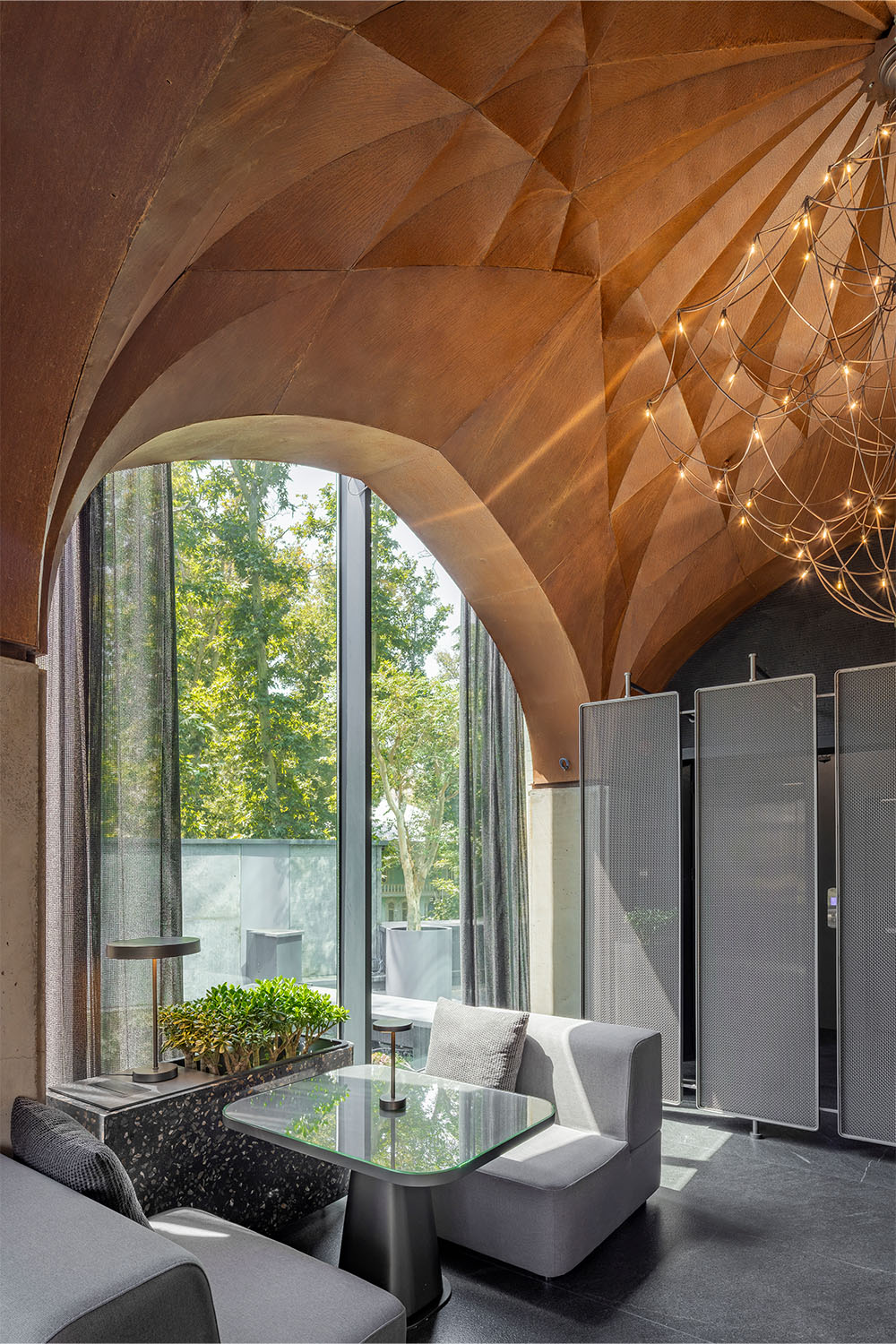
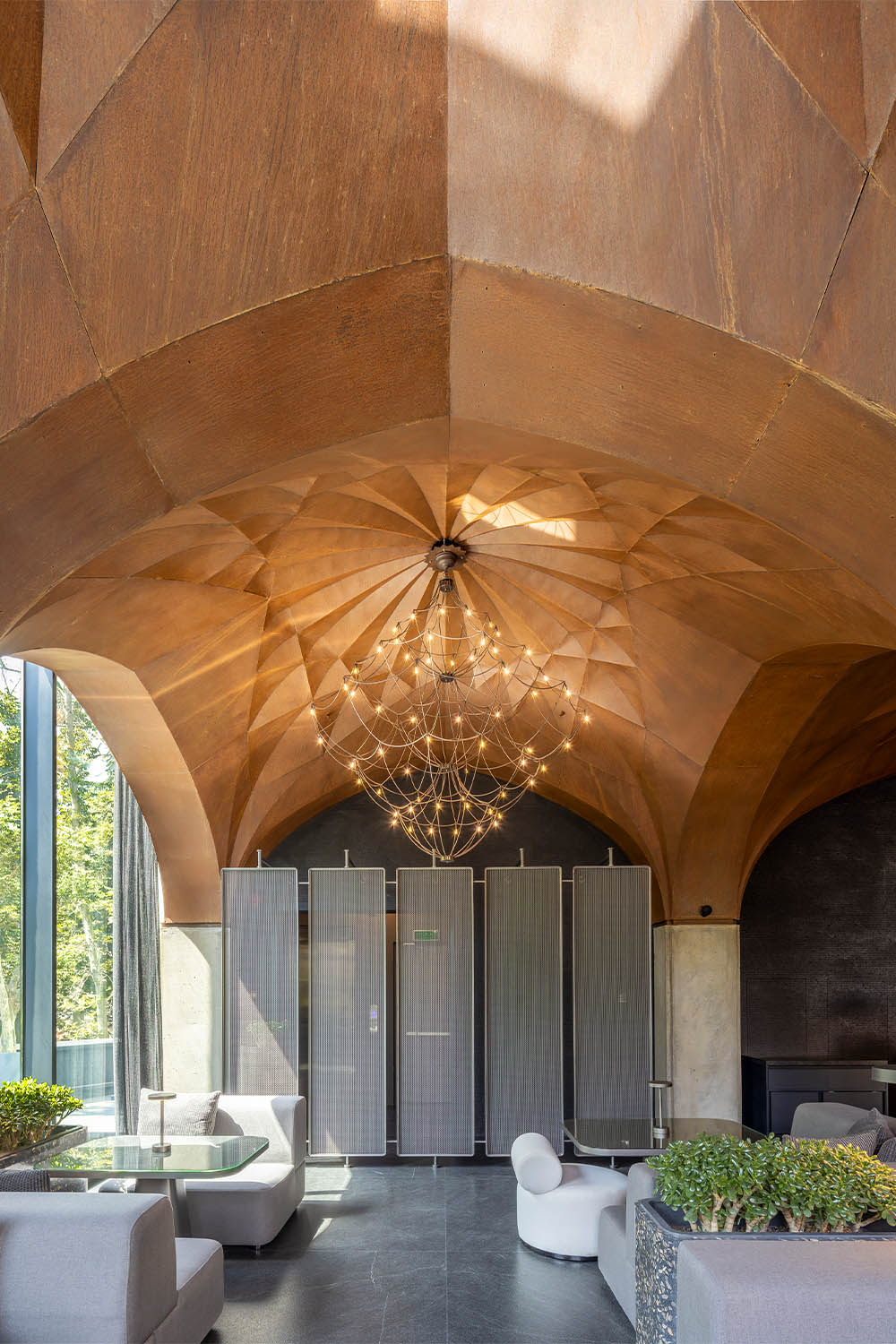
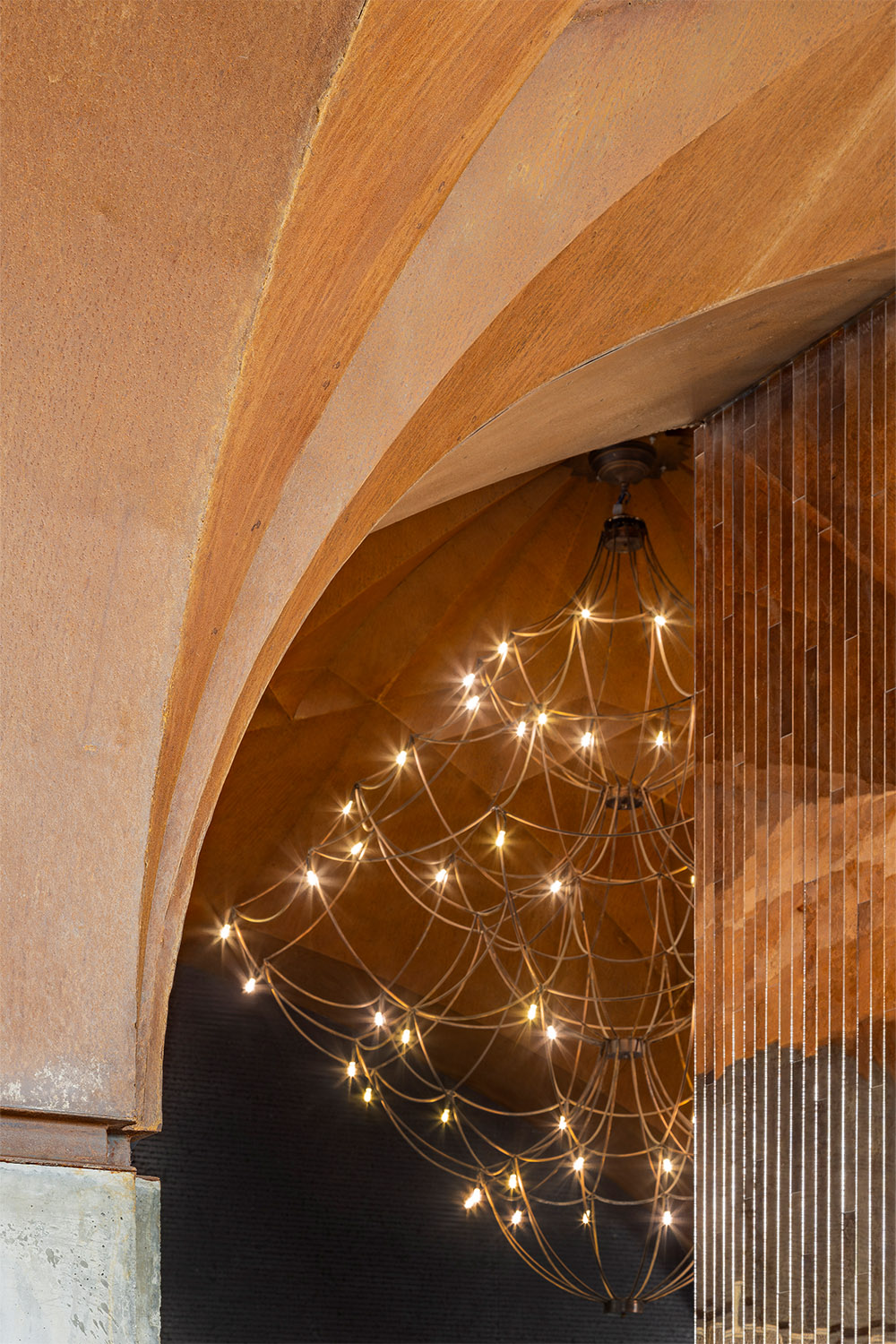
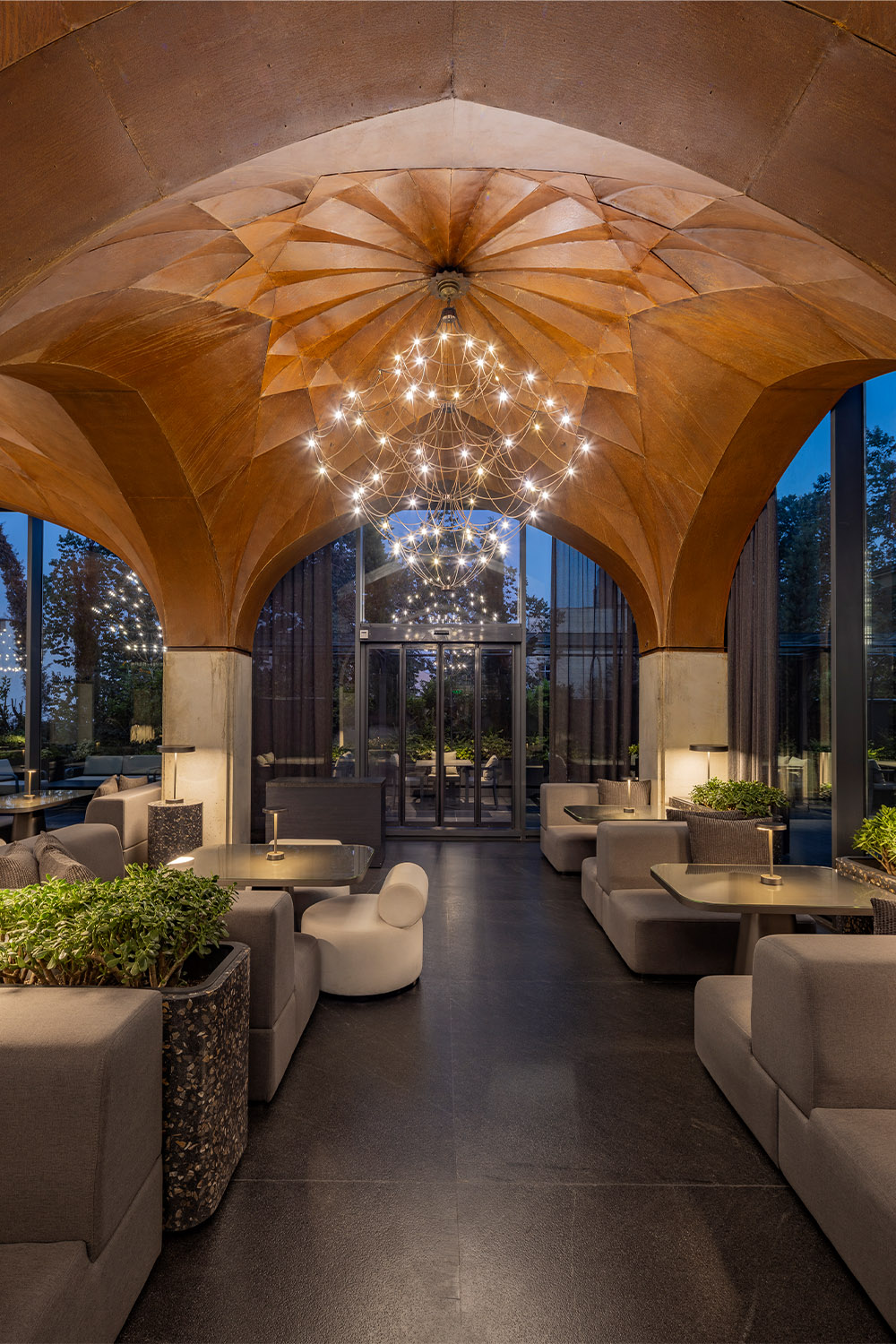
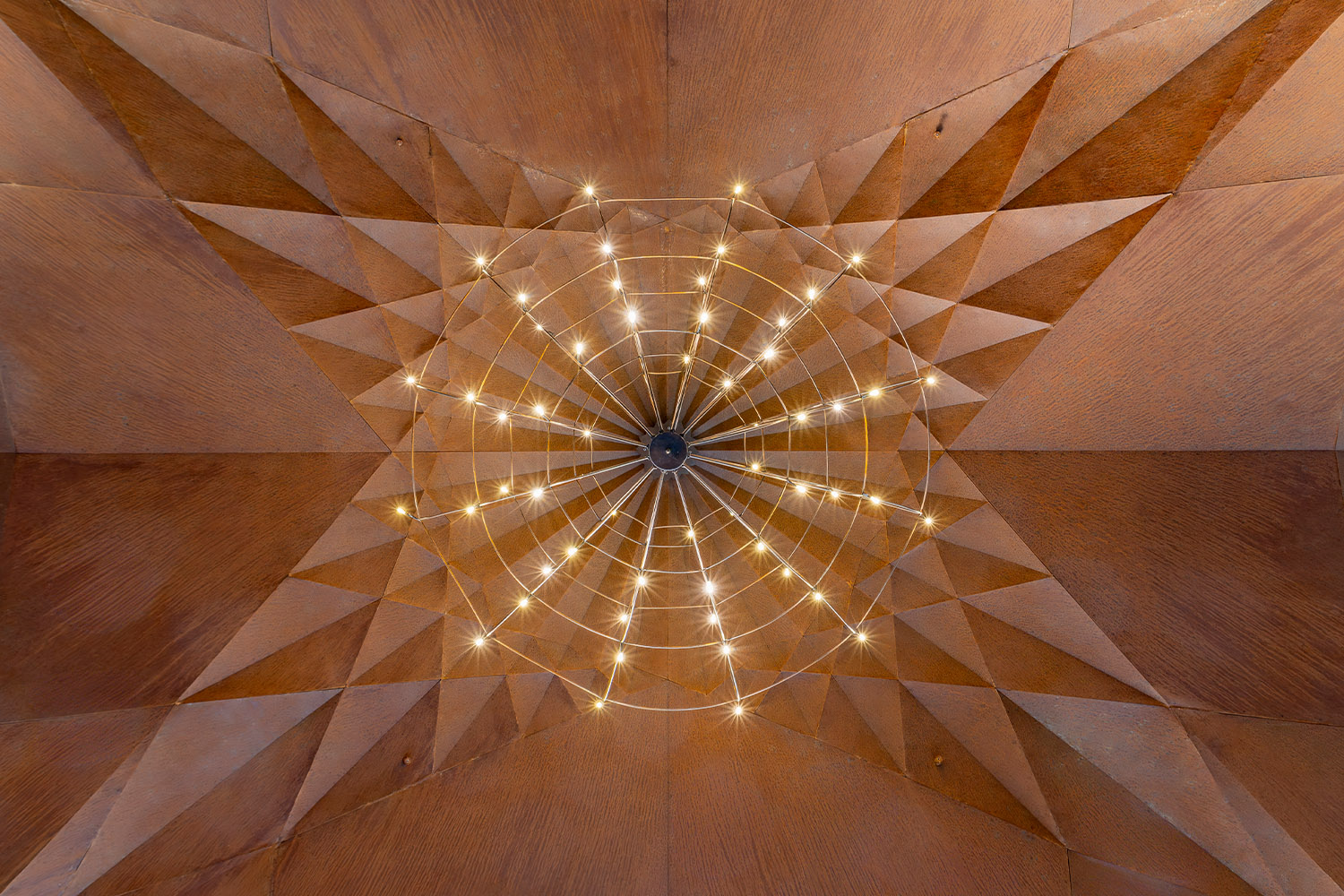
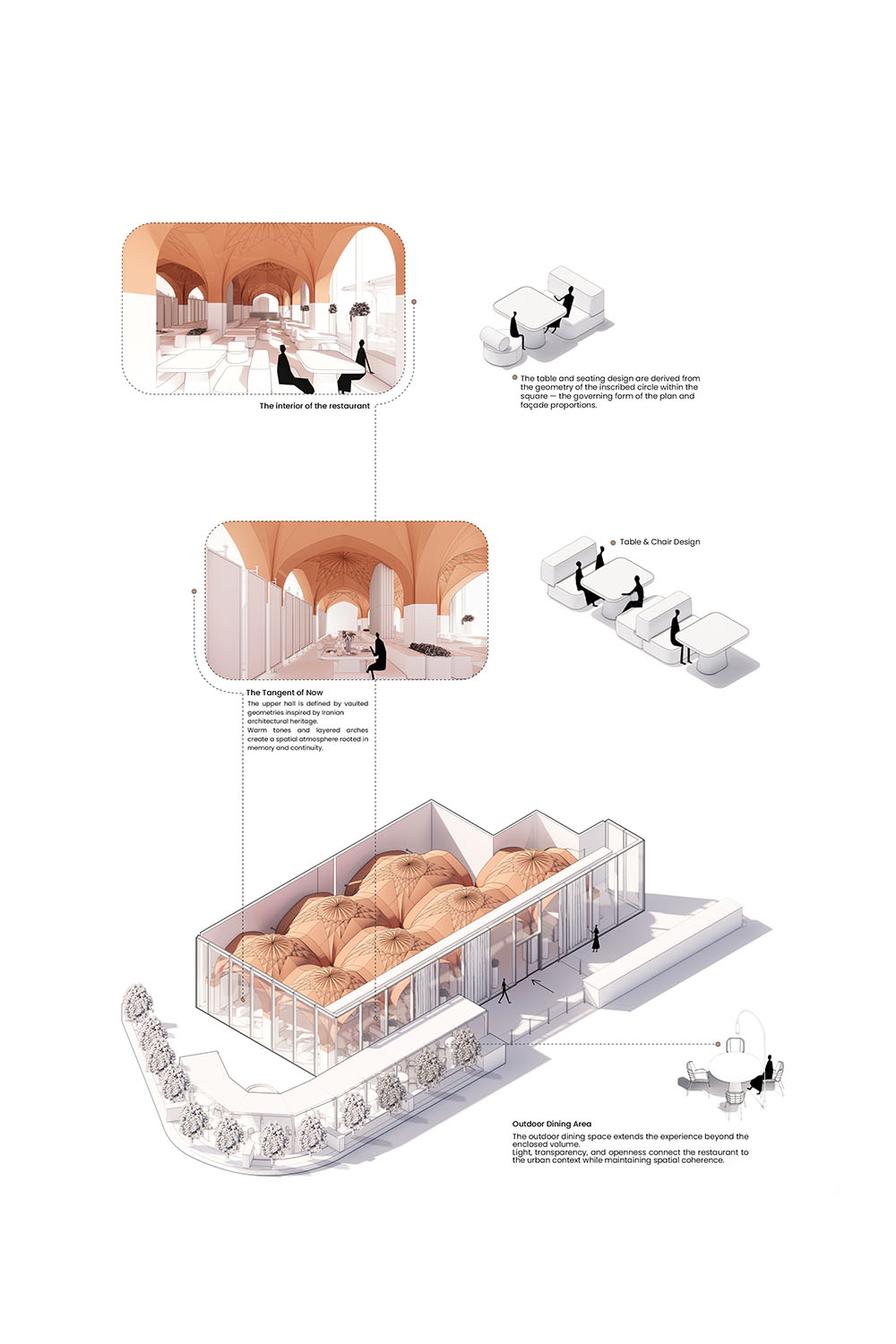
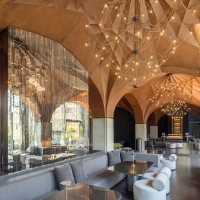
The upper spherical form rests on four concrete pillars and is constructed through metal rib structures reminiscent of traditional Iranian karbandi. While the form recalls historical precedents, its material belongs to the present, and its fabrication relies on robotic construction techniques—an intentional gesture toward the future. The remaining architectural components form a dark, monolithic mass that embodies the notion of time, while the tangential line becomes the spatial expression of the shifting boundary between past, present, and future.

Drawing from the deep foundations of Iranian architectural heritage yet reinterpreting them through a contemporary lens, the project seeks to transform place into an experience of time. Every element—geometry, structure, material, and light—works to render the present moment tangible and inhabitable.

This philosophy extends to the culinary experience as well. Iranian dishes are revisited with a renewed perspective: faithful to their origins yet re-experienced through a contemporary lens.

Here, by honoring the present moment and the instant we inhabit, the project aspires to turn the near future into cherished memories.


زمان :

گذشته دمی است که از «آن» سپری شده و آینده بازتاب امید به سپری شدن لحظات پیش روست . «آن» خطی مماس بر دو گوی گذشته و آینده است و همواره در این تماس آینده به گذشته تبدیل میگردد. دو گوی چرخان که در میان خود همچون سیاه چاله ای ثانیه ها را به یکدیگر می سپارند. درک و لمس «دم» موهبتی بزرگ است همانگونه که حضرت سعدی آنرا با فرو بردن نفس و واجب بودن شکر آن بیان می فرمایند. دایره محاط در مربعی کامل در ۷ دهانه در پلان و در هر دهانه در تناسبات نمای آن شکل دهنده هندسه فضاست .خطی از مرکز دایره محاط در نمای هر دهانه میگذرد. این خط در محل تماس کره فوقانی و مکعب در برگیرنده پلان است. کره فوقانی به شکل کاربندی های فلزی بر روی ۴ پایه بتنی قرار گرفته است .کاربندی های فلزی زنگ زده در ساختار فرم همچون گذشته ، در جنس از عناصر امروزی و در تکنیک ساخت از ساخت رباتیک که ساختاری فردایی است بهره برده اند. مابقی عناصر فضا همچون توده سیاه در برگیرنده زمان است و آن خط همان مماس آینده و گذشته یعنی حال.فضایی که در آنیم با زیر نقش معماری ایرانی اما با نگاهی دیگر سعی دارد تا مکان را به زمان تبدیل کند و تمامی عناصر بکار گرفته شده در همین راستا زمان را قابل زیست میکنند. در مورد غذا نیز همین روال جاری است . نگاهی دیگر به غذاهای ایرانی که با حفظ اصالت گونه ای دیگر تجربه خواهند شد. در اینجا برآنیم تا با قدر نهادن حال و دمی که در آنیم لحظاتی از آینده نزدیک را به خاطراتی خوش بدل کنیم .
FA

Design

Media

About US

Contact

PARGAR STUDIO

Projects

Design

Media

About US

Contact

FA

Zaman Restaurant

رستوران زمان

  • Type: Hospitality, Renovation, Public, Interior Design
  • Status: Completed
  • Scale: Small
  • Date: 2024
  • Location: Zafaraniyeh, Tehran
  • Lead Architects: Behzad Heidari, Shirin Samadian
  • Chief Designer: Milad Hasanzade
  • Design Team: Shima Khoshpasand, Maede Moallemi, Hediye Maleki, Aysan Mahmoudi
  • Presentation Architect: Alireza Nejadfallah, Sepideh Shirzadi, Farnaz Ejlali, Rezvan Mohtadi
  • Photographer : Parham Taghioff
  • Construction: Alumgostar
  • Structure: Alumgostar
  • Mechanical Consultant: Alumgostar
  • Electrical Cosultant: Alumgostar
  • Gross Floor Area: 890m²
More
  • نوع: رفاهی, بازسازی, عمومی, طراحی داخلی
  • وضعیت: پایان یافته
  • اندازه: کوچک
  • تاریخ: 1403
  • محل اجرا: تهران، زعفرانیه
  • معماران ارشد: بهزاد حیدری، شیرین صمدیان
  • مدیر طراحی: میلاد حسن‌زاده
  • تیم طراحی: شیما خوش‌پسند، مائده معلمی، هدیه ملکی، آیسان محمودی
  • معمار ارائه: علیرضا نژادفلاح، سپیده شیرزادی، فرناز اجلالی، رضوان مهتدی
  • عکاس: پرهام تقی‌اف
  • اجرا: آلوم گستر
  • سازه: آلوم گستر
  • تاسیسات مکانیکی: آلوم گستر
  • تاسیسات الکتریکی: آلوم گستر
  • زیربنا: 890 مترمربع
بیشتر

Since the restaurant is named “Zaman”—meaning time—its architectural narrative is inherently intertwined with reflections on temporality. The past is a fleeting instant that has already slipped away, while the future embodies our hope for the moments yet to come. The “now” is a delicate tangent touching both spheres of past and future, an ever-moving boundary where the future continuously transforms into memory. These two rotating spheres, like cosmic bodies, exchange seconds between them as if through a temporal vortex.

To grasp and inhabit the present is a rare privilege, one beautifully echoed by Saadi in his reminder that every breath is a blessing worthy of gratitude.

The spatial geometry of the project is defined by a circle inscribed within a perfect square. The plan is composed of seven bays, each extended to the elevation through the same proportional logic. A central axis passes through the inscribed circle and continues across the facade of every bay, marking the exact point where the upper sphere touches the cubic volume below.

The upper spherical form rests on four concrete pillars and is constructed through metal rib structures reminiscent of traditional Iranian karbandi. While the form recalls historical precedents, its material belongs to the present, and its fabrication relies on robotic construction techniques—an intentional gesture toward the future. The remaining architectural components form a dark, monolithic mass that embodies the notion of time, while the tangential line becomes the spatial expression of the shifting boundary between past, present, and future.

Drawing from the deep foundations of Iranian architectural heritage yet reinterpreting them through a contemporary lens, the project seeks to transform place into an experience of time. Every element—geometry, structure, material, and light—works to render the present moment tangible and inhabitable.

This philosophy extends to the culinary experience as well. Iranian dishes are revisited with a renewed perspective: faithful to their origins yet re-experienced through a contemporary lens.

Here, by honoring the present moment and the instant we inhabit, the project aspires to turn the near future into cherished memories.


زمان :

گذشته دمی است که از «آن» سپری شده و آینده بازتاب امید به سپری شدن لحظات پیش روست . «آن» خطی مماس بر دو گوی گذشته و آینده است و همواره در این تماس آینده به گذشته تبدیل میگردد. دو گوی چرخان که در میان خود همچون سیاه چاله ای ثانیه ها را به یکدیگر می سپارند. درک و لمس «دم» موهبتی بزرگ است همانگونه که حضرت سعدی آنرا با فرو بردن نفس و واجب بودن شکر آن بیان می فرمایند. دایره محاط در مربعی کامل در ۷ دهانه در پلان و در هر دهانه در تناسبات نمای آن شکل دهنده هندسه فضاست .خطی از مرکز دایره محاط در نمای هر دهانه میگذرد. این خط در محل تماس کره فوقانی و مکعب در برگیرنده پلان است. کره فوقانی به شکل کاربندی های فلزی بر روی ۴ پایه بتنی قرار گرفته است .کاربندی های فلزی زنگ زده در ساختار فرم همچون گذشته ، در جنس از عناصر امروزی و در تکنیک ساخت از ساخت رباتیک که ساختاری فردایی است بهره برده اند. مابقی عناصر فضا همچون توده سیاه در برگیرنده زمان است و آن خط همان مماس آینده و گذشته یعنی حال.فضایی که در آنیم با زیر نقش معماری ایرانی اما با نگاهی دیگر سعی دارد تا مکان را به زمان تبدیل کند و تمامی عناصر بکار گرفته شده در همین راستا زمان را قابل زیست میکنند. در مورد غذا نیز همین روال جاری است . نگاهی دیگر به غذاهای ایرانی که با حفظ اصالت گونه ای دیگر تجربه خواهند شد. در اینجا برآنیم تا با قدر نهادن حال و دمی که در آنیم لحظاتی از آینده نزدیک را به خاطراتی خوش بدل کنیم .